
The origin of the Qoricancha: A center of spiritual and political power
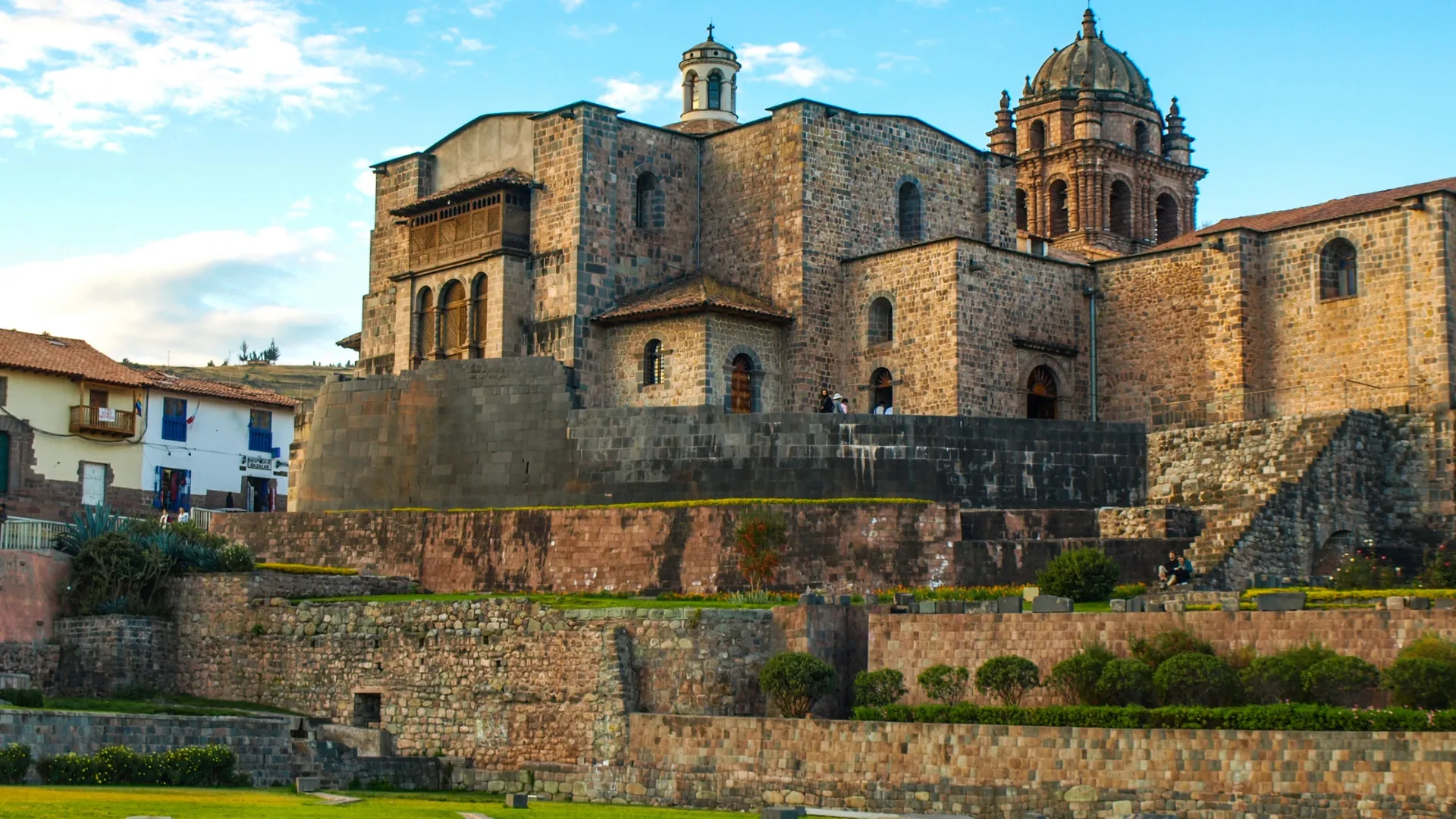
The Qoricancha, whose name in Quechua means “golden enclosure” or “golden temple”, was erected during the reign of the Inca Huiracocha, around the 13th century.
Initially known as Inticancha, which means “enclosure of the sun”, this temple was the epicenter of the religious and political life of Tahuantinsuyo, the vast Inca empire that encompassed much of South America.
The importance of the Qoricancha lay in the fact that it was considered the residence of the god Inti, the sun, the supreme deity of the Incas.
Under the reign of Inca Pachacutec, in the mid-15th century, the Inticancha was renovated and beautified, becoming the Qoricancha we know today.
Pachacutec not only expanded the Inca empire to its most remote limits, but also promoted the construction of majestic architectural works, among which the Qoricancha occupied a central place.
This temple became the symbol of Inca power, and its wealth was manifested not only in its structure, but also in the valuable offerings it housed.
The architecture of Qoricancha: Inca perfection
One of the most fascinating aspects of Qoricancha is its architecture, which reflects the high degree of development achieved by Inca engineers and architects.
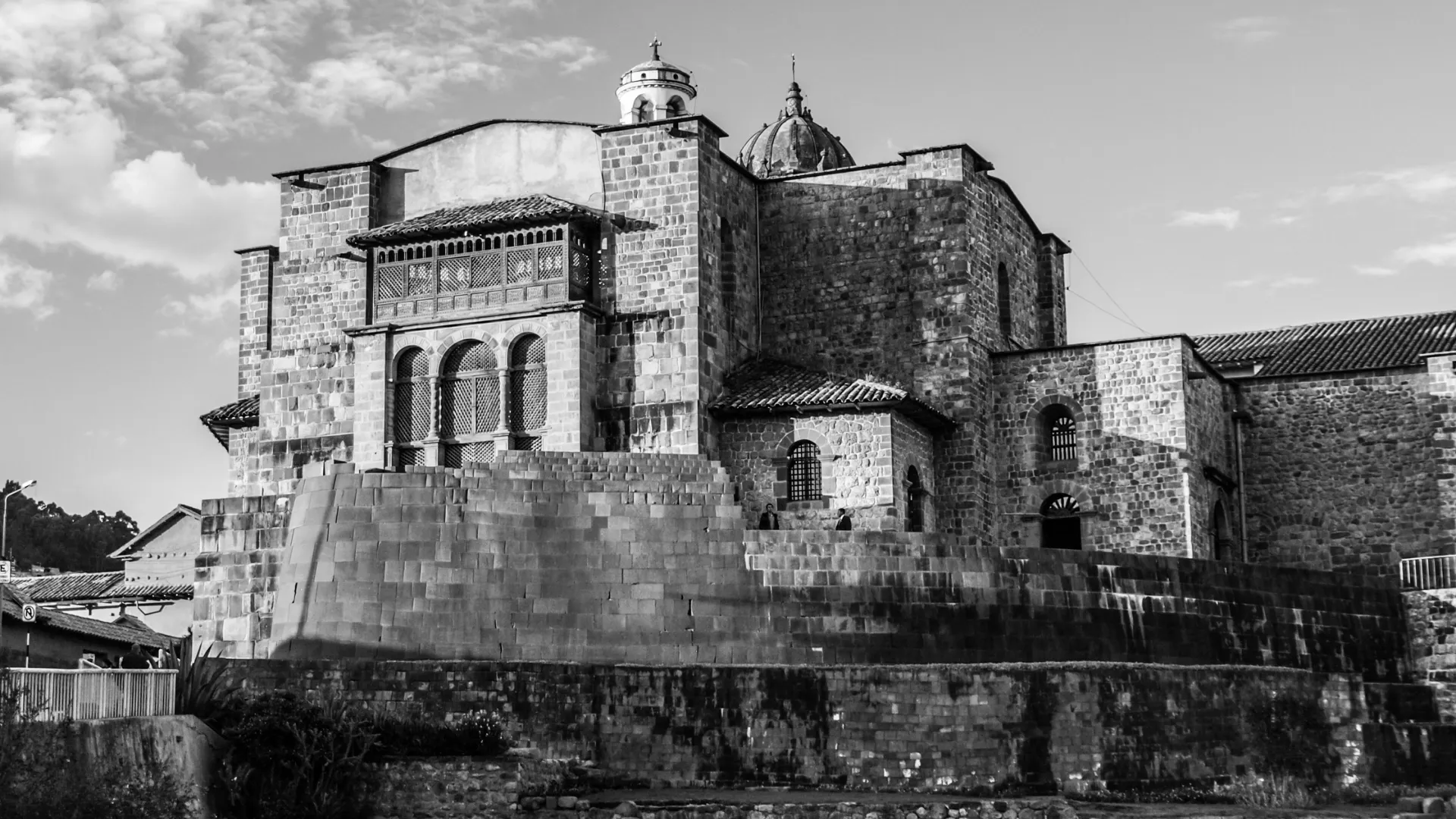
The temple was built with finely carved stone blocks, perfectly fitted together, without the use of mortar.
This type of construction, known as ashlar, was not only aesthetically impressive, but also extremely resistant to earthquakes, a common phenomenon in the Andean region.
The walls of the Qoricancha were covered with gold sheets that reflected sunlight, giving the temple a dazzling glow.
It is said that within the sacred precinct you could find gold and silver statues of different divinities, as well as representations of Andean flora and fauna, all made of precious metals.
Among the most impressive objects were figures of vicuñas, birds, trees and plants such as corn, all made of solid gold.
The Qoricancha was also composed of a series of chambers dedicated to different deities and functions. These included:
- Inti Huasi (House of the Sun), where the solar god was worshiped.
- Killa Huasi, dedicated to the goddess Moon.
Each of these chambers had a specific function and was adorned with richness and precision, reflecting the importance of each deity in the Inca worldview.
The conquest and transformation of the Qoricancha
The arrival of the Spanish to Cusco in 1533 marked the beginning of an era of drastic changes for the Qoricancha and for the entire city.
The conquerors, impressed by the wealth and magnificence of the temple, proceeded to loot it, taking most of the gold and silver that decorated it.
It is said that much of this treasure was intended for the rescue of Atahualpa, the last Inca emperor, who was finally executed by the Spanish.
The Qoricancha was not only stripped of its material wealth, but also of its sacred significance.
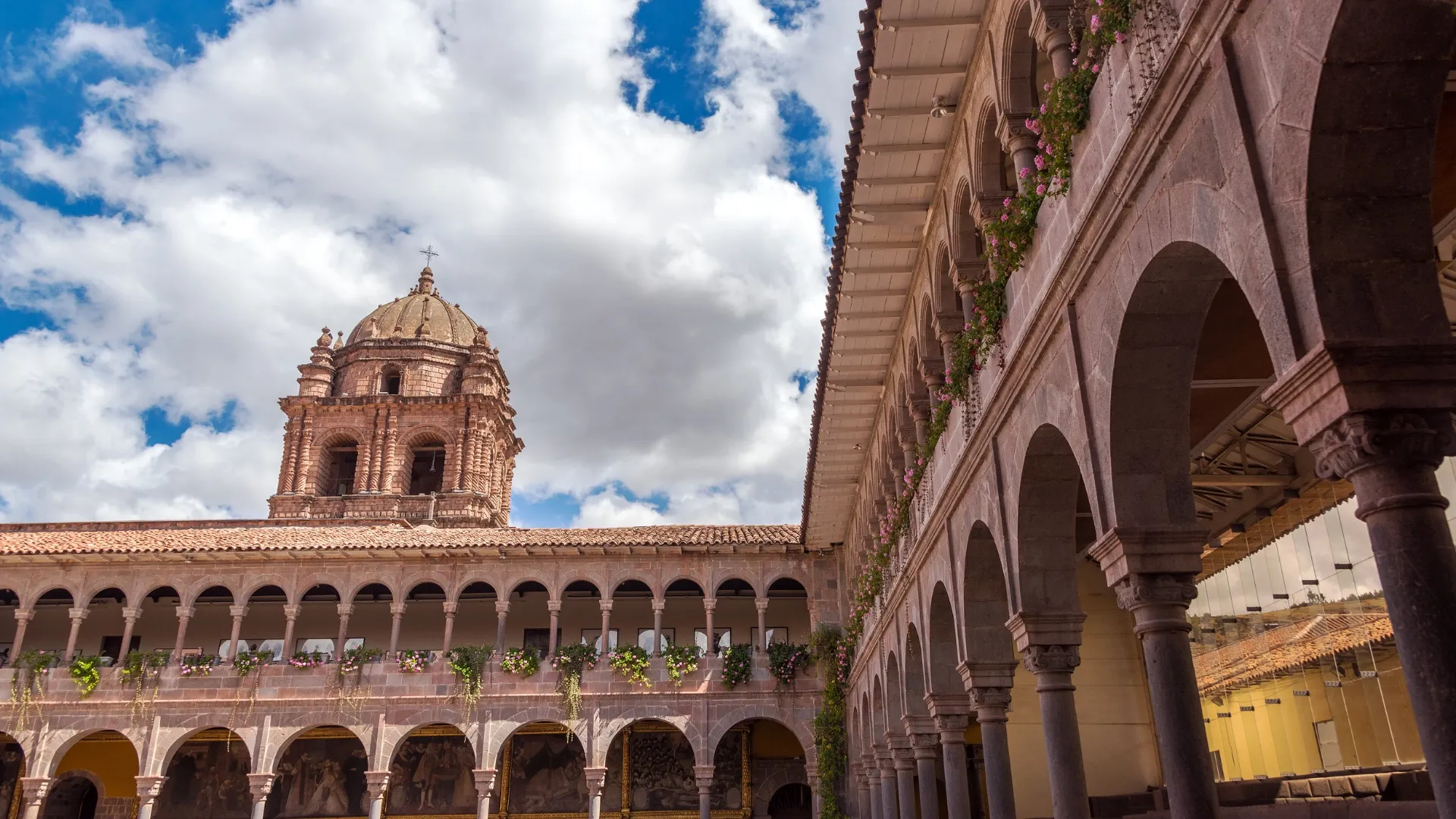
In a symbolic act of domination, the Spanish built the Convent of Santo Domingo on its foundations, which became an important religious center for the colonizers.
However, the resilience of the Inca structures was manifested on more than one occasion, when the earthquakes of 1650, 1746 and 1950 seriously damaged the convent, but left the original walls of the Qoricancha relatively intact.
These events underlined the superiority of Inca engineering over the European construction techniques of the time.
El Qoricancha today: A living legacy
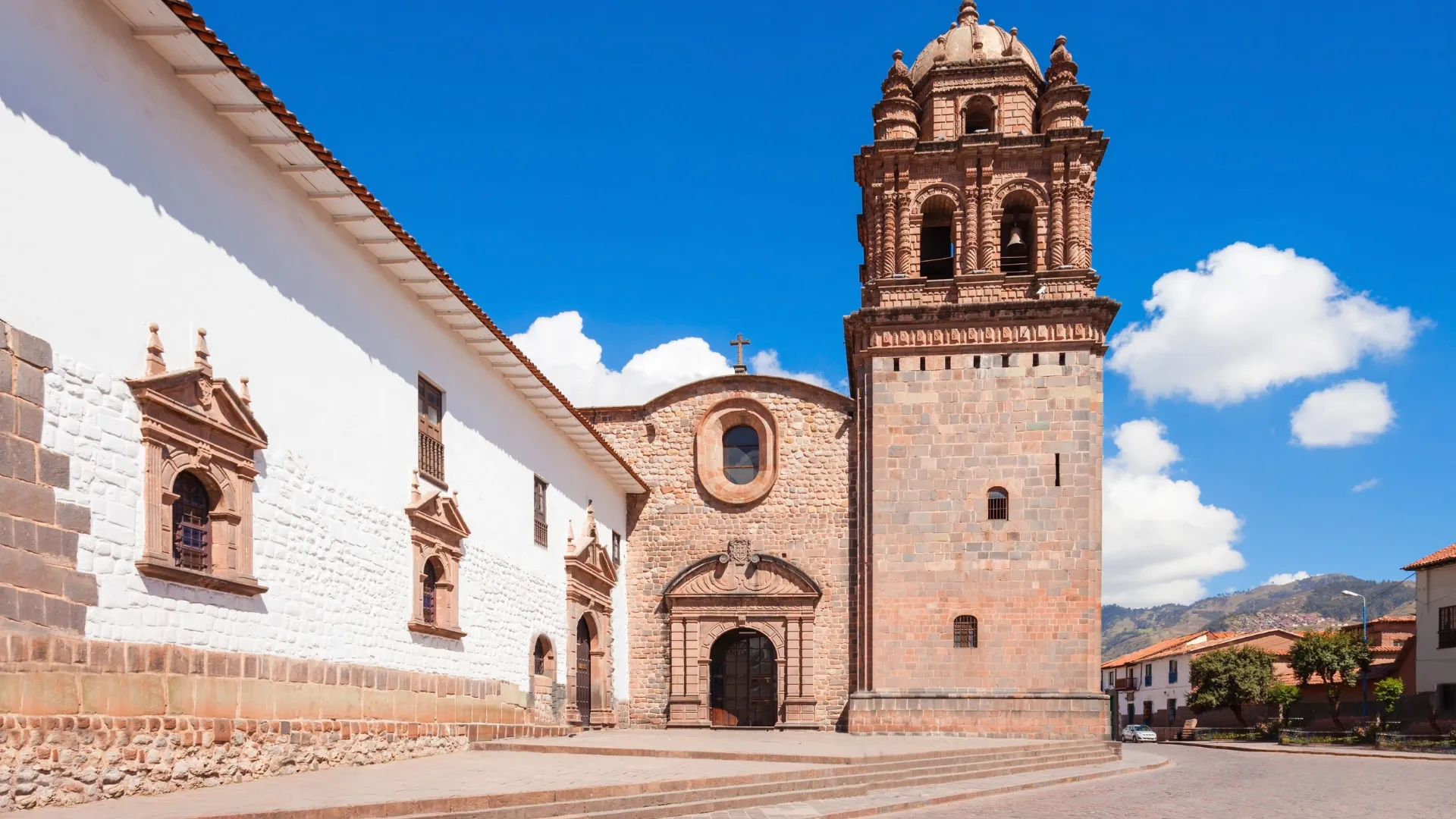
Today, Qoricancha continues to be one of the main tourist attractions in Cusco, and visiting it offers a unique experience, where it is possible to observe the coexistence of two cultures that, despite their initial confrontation, have forged the current identity of the city.
The entrance to the Qoricancha Temple costs 15 soles and allows you to explore the four chambers that are still preserved from the original temple.
Additionally, with the Cusco tourist ticket, you can access the Qoricancha Site Museum, located in an underground space under the Garden of the Convent of Santo Domingo.
This museum houses a valuable collection of archaeological objects discovered during excavations, including ceramics, textiles and tools dating back to Inca times.
A tour of the Qoricancha offers an up-close view of impressive Inca architecture, with its perfectly fitted stone walls and structural design that has withstood the passage of time and natural disasters.
Tourists can also visit the Santo Domingo convent, where paintings and religious art from the colonial era are on display, offering a fascinating contrast to the ruins of the Inca temple.
The fusion of two cultures: Reflections on the Qoricancha
The Qoricancha is a living testimony of the fusion of Inca and Spanish cultures.
Although much of the temple was destroyed or modified, what remains of it still evokes the splendor of the past and the spiritual power it once housed.
For the Incas, this place was the center of the universe, the place where heaven, earth and the underworld connected.
For the Spanish, it became a symbol of victory and the imposition of their faith and culture on the conquered peoples.
However, the Qoricancha also reminds us of the resistance and resilience of the Inca people, whose culture has endured over the centuries, adapting and surviving despite attempts to eradicate it.
Today, the descendants of the Incas continue to celebrate their traditions, and the Qoricancha remains a place of worship and a sacred space for many.
Qoricancha, an unforgettable visit
Walking through the streets of Cusco is like walking through the pages of a history book, and visiting the Qoricancha is like entering the heart of that history.
The first time you see the temple, you will be impressed by the way the stones of the Inca wall integrate with the colonial structure of the convent, creating a striking and moving contrast.
You will feel a deep connection to the place knowing that you are walking through a site that witnessed great historical events, from the Inca cult of the sun to the arrival of the Spanish conquistadors.
The mix of cultures is evident not only in the architecture, but also in the atmosphere that is breathed in the Qoricancha, a space where old and new meet in harmony.
The Qoricancha Temple is much more than a simple archaeological site; It is a symbol of the cultural wealth of Cusco and a reminder of the greatness of the Inca Empire.
Its history, marked by conquest and resistance, is still alive in each of its walls and in the memory of those who visit it.
For anyone interested in history and culture, a visit to Qoricancha is a must-see experience. Here, in this corner of Cusco, past and present meet, inviting us to reflect on the legacy of the Incas and the influence of Spanish colonization in the Andean world.