La Paz

La Paz

La Paz, the capital of Bolivia and the highest city in the world, offers a unique tourist experience with its vibrant urban atmosphere, panoramic views, and rich history. It is an ideal starting point for exploring Lake Titicaca, the Uyuni Salt Flats, and the ancient Inca civilizations.

La Paz
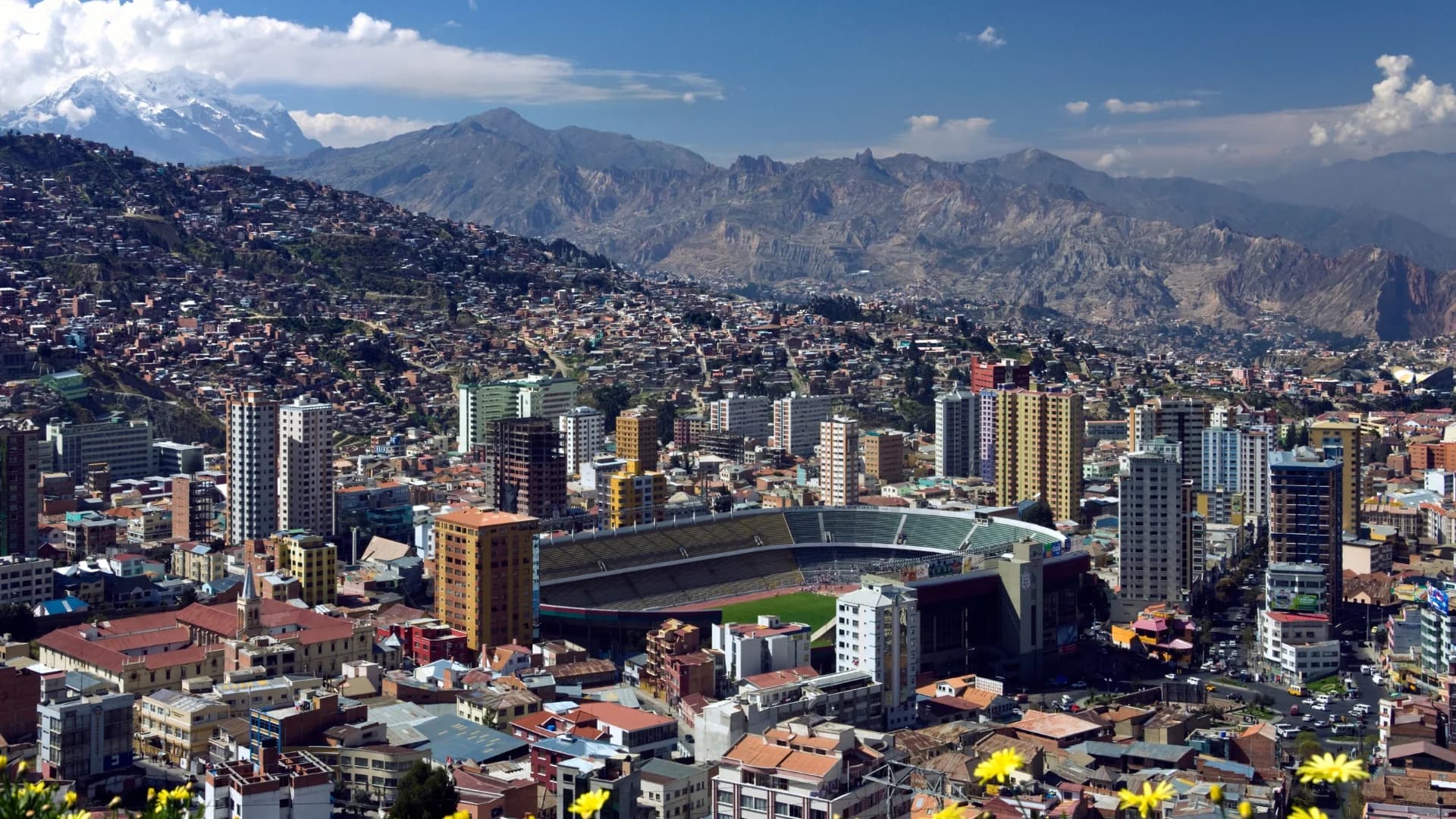
la_paz

Interesting places in La Paz

In La Paz we have these interesting places
Tierra Biru Expeditions - Destinations

Copacabana

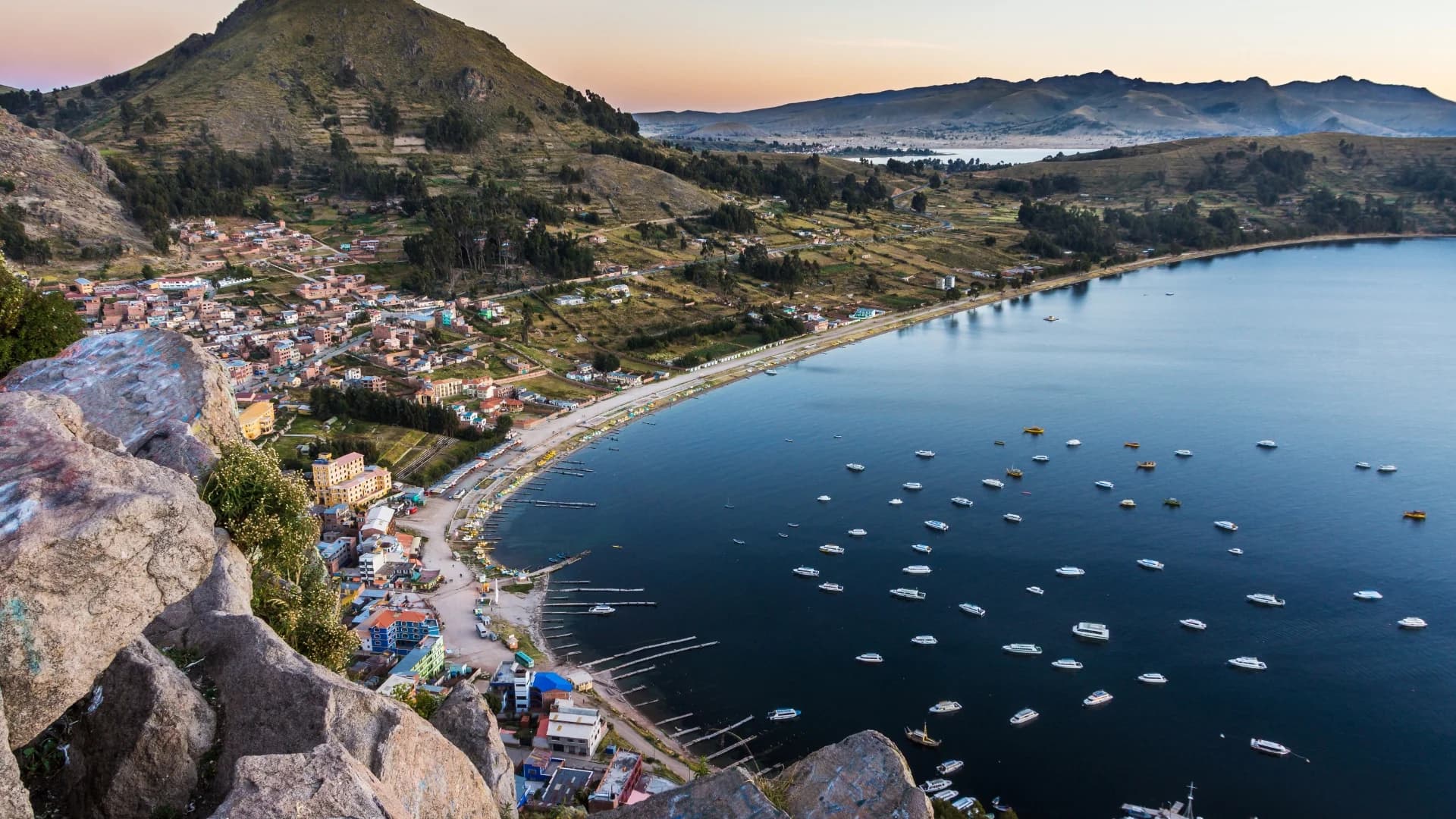
Copacabana, located in Bolivia on the shores of Lake Titicaca, is an interesting tourist destination with a rich history and culture. It is known for its tranquil atmosphere, panoramic views of the lake, and for being the gateway to Isla del Sol and Isla de la Luna. The city features picturesque architecture. and a relaxing atmosphere, as well as being the starting point for various excursions to places of interest.
Tierra Biru Expeditions - Destinations

Salar Uyuni

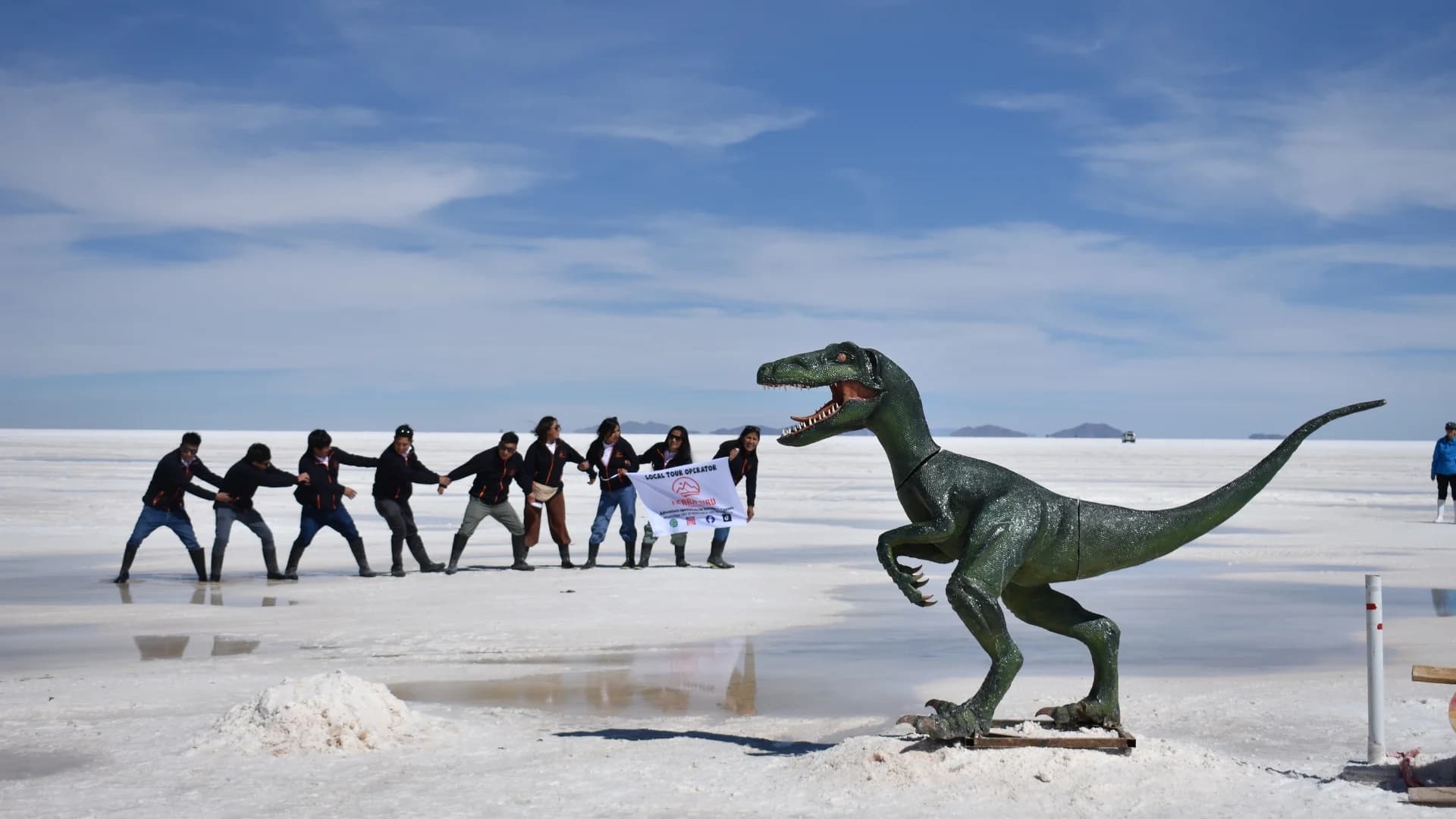
The Salar de Uyuni, a vast salt flat in the Bolivian Altiplano, is the largest in the world, with an area of ​​more than 10,000 square kilometers. It is known as the 'mirror of the world' due to the stunning reflections it creates on its surface, especially during the rainy season. This natural wonder is a popular tourist destination, attracting visitors from all over the world.
Tierra Biru Expeditions - Destinations

Tiwanaku

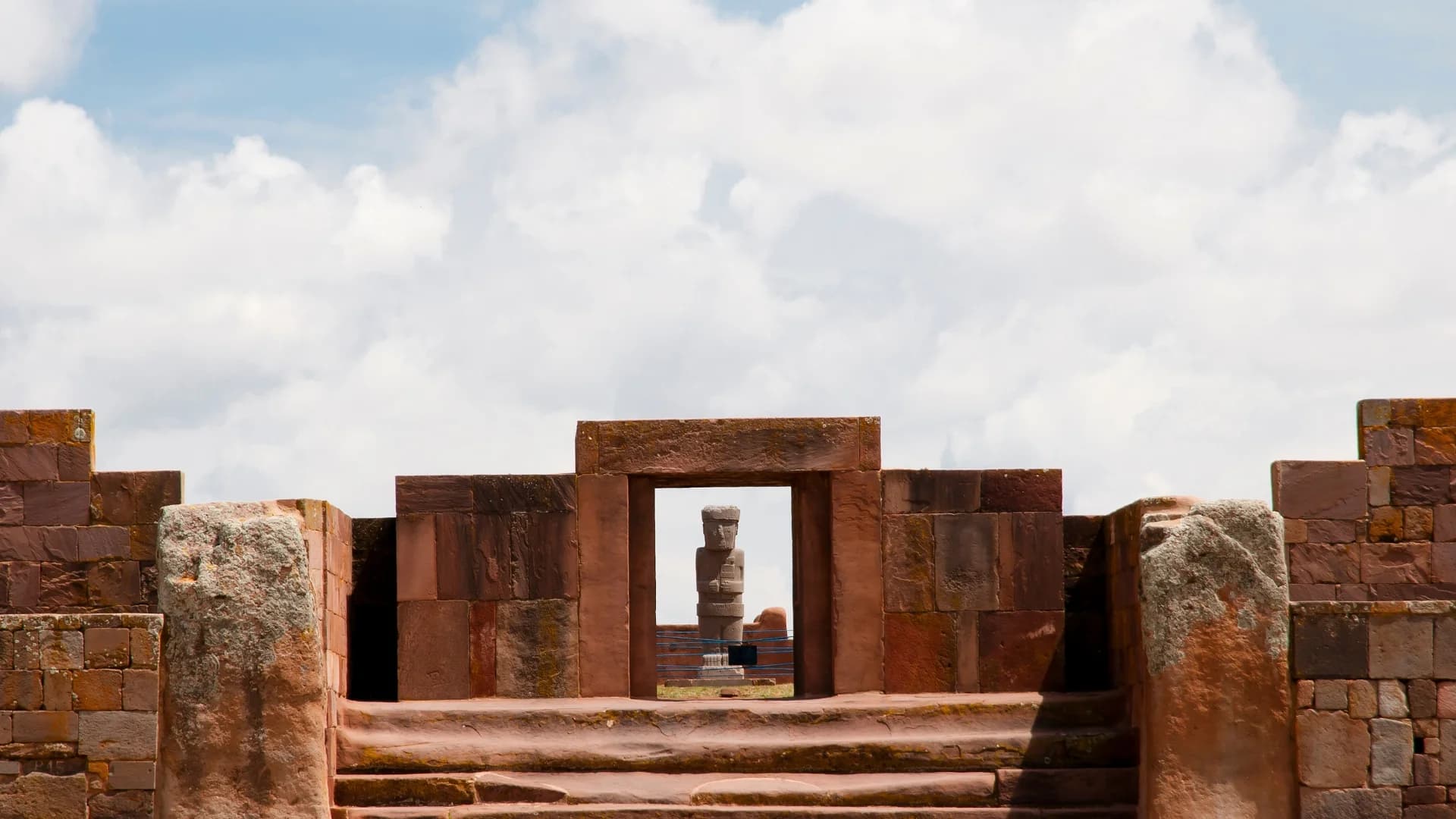
Tiwanaku, a pre-Hispanic city in the Bolivian Altiplano, was the capital of a powerful empire that spanned the southern Andes and adjacent regions. It was noted for its ceremonial architecture, such as stone temples with metal staples, and for its cultural influence on the region. The Tiwanaku culture, which lasted 25 centuries, left behind an impressive cultural heritage, including imposing architecture, sculptures, and ceramics with symbolic symbols. Andean.

FAQ Logo

We have answers to all your questions

We know how important it is for you to be well informed before your trip. Here you will find answers to the most frequently asked questions we receive from our travelers. If you have any other questions, do not hesitate to contact us. We are here to help you plan the adventure of your dreams!

The best way to avoid altitude sickness in Cusco is to arrive prepared. For the first two days, take it easy: avoid intense physical effort, rest well, and stay hydrated. Drinking alcohol or smoking is not recommended because it can worsen symptoms. If you feel unwell, let your hotel staff or guide know and prioritize rest.

It depends on the region. For Cusco and the Andes, the dry season (roughly May to October) is usually the most comfortable for tours and hikes because there’s less rain. The rainy season (roughly November to March) brings greener landscapes, but heavier rain and more variable weather. On the coast (Lima), summer is sunnier, while winter is more overcast.

For a comfortable visit, many travelers spend 4 to 6 days in Cusco: 1–2 days to acclimate and explore the city + 1 day for the Sacred Valley + 1 day for Machu Picchu (sometimes with an overnight stay in Aguas Calientes). If you also want Rainbow Mountain, Humantay, or other tours, it’s ideal to add 1 or 2 extra days.

For many countries in Latin America, Europe, and North America, entry as a tourist without a visa is often allowed for a limited time. Requirements still vary by nationality, so it’s best to check official information before traveling (and carry a valid passport and, if required, proof of onward travel).

In general, yes—you can travel normally, but as with any tourist destination, it’s best to take precautions: watch your belongings, avoid isolated areas at night, use official transportation, and don’t display expensive items. On tours, follow your guide’s instructions and avoid buying services from informal vendors without references.

The currency is the Peruvian sol (PEN). In big cities, you can pay by card in many places, but in markets, small towns, and for small purchases, cash is often better. It’s a good idea to carry small bills. To exchange money, use reputable exchange offices or banks and avoid street exchange.

Cusco has a mountain climate and it can change quickly. During the day there can be strong sun, and temperatures drop in the afternoon. Dressing in layers is best: a t-shirt, a warm layer (fleece), and a wind/rain jacket. Don’t forget sunscreen, a hat, sunglasses, and comfortable shoes. On tours like Humantay or Rainbow Mountain, it’s colder—especially early in the morning.

For most travelers, there are no mandatory vaccines for the main tourist areas (Lima, Cusco, Sacred Valley, Machu Picchu). If you’re visiting the Amazon (Iquitos, Puerto Maldonado), it may be recommended to ask about the yellow fever vaccine and mosquito protection. The most important things are travel insurance and bringing any personal medications you need.

In Peru, you can buy a prepaid SIM card from local operators (for example, at airports, malls, or official stores). You’ll usually need an ID document to register it. Hotels and restaurants often have Wi-Fi, but coverage can be unstable in rural routes. If you go trekking, expect some areas with no signal.

The key is to book in advance: tickets and, if applicable, trains/buses can sell out in high season. Bring your ID (passport or national ID) because it’s often required at checkpoints. Respect the assigned circuits and time slots. Wear comfortable shoes, bring water and sunscreen—weather can change quickly.

Peru uses type A and type C plugs, with 220V voltage in many places. If your devices use a different plug type or voltage, bring an adapter and/or converter. Tourist hotels sometimes offer multiple outlets, but it’s best not to rely on that.

Tipping isn’t always mandatory, but it’s common to tip for good service. In restaurants it can vary, and on tours it’s typical to tip the guide and/or driver depending on your satisfaction. Carrying small bills makes this easier.

In many cities, it’s recommended not to drink tap water, especially if you have a sensitive stomach. The safest option is bottled or boiled water, and be cautious with ice or juices if you’re not sure about hygiene.

In Lima, use ride-hailing apps or official services instead of informal street taxis. In Cusco, you can walk for short distances (keep in mind the hills), and for longer trips use official taxis or transportation arranged by an agency. For tours outside the city, the easiest option is a tour service or private transport.

Don’t forget: a valid document, travel insurance, layered clothing, a rain jacket, comfortable shoes, sunscreen, insect repellent (if you’re going to the jungle), sunglasses, a hat, a basic first-aid kit, and cash in small bills. If you have demanding tours, motion-sickness tablets and light snacks can also help.

Let our team of experts help you choose the best tour for you today!

Tierra Biru Expeditions - Logo

Tierra Biru Expeditions is a member of the Adventure Operators in Peru, registered and authorized by the Peruvian Ministry of Culture.


CALLE MARIANO SANTOS LTE. G-5

@COPYRIGHT 2025 Tierra Biru Expeditions