Puno
Puno
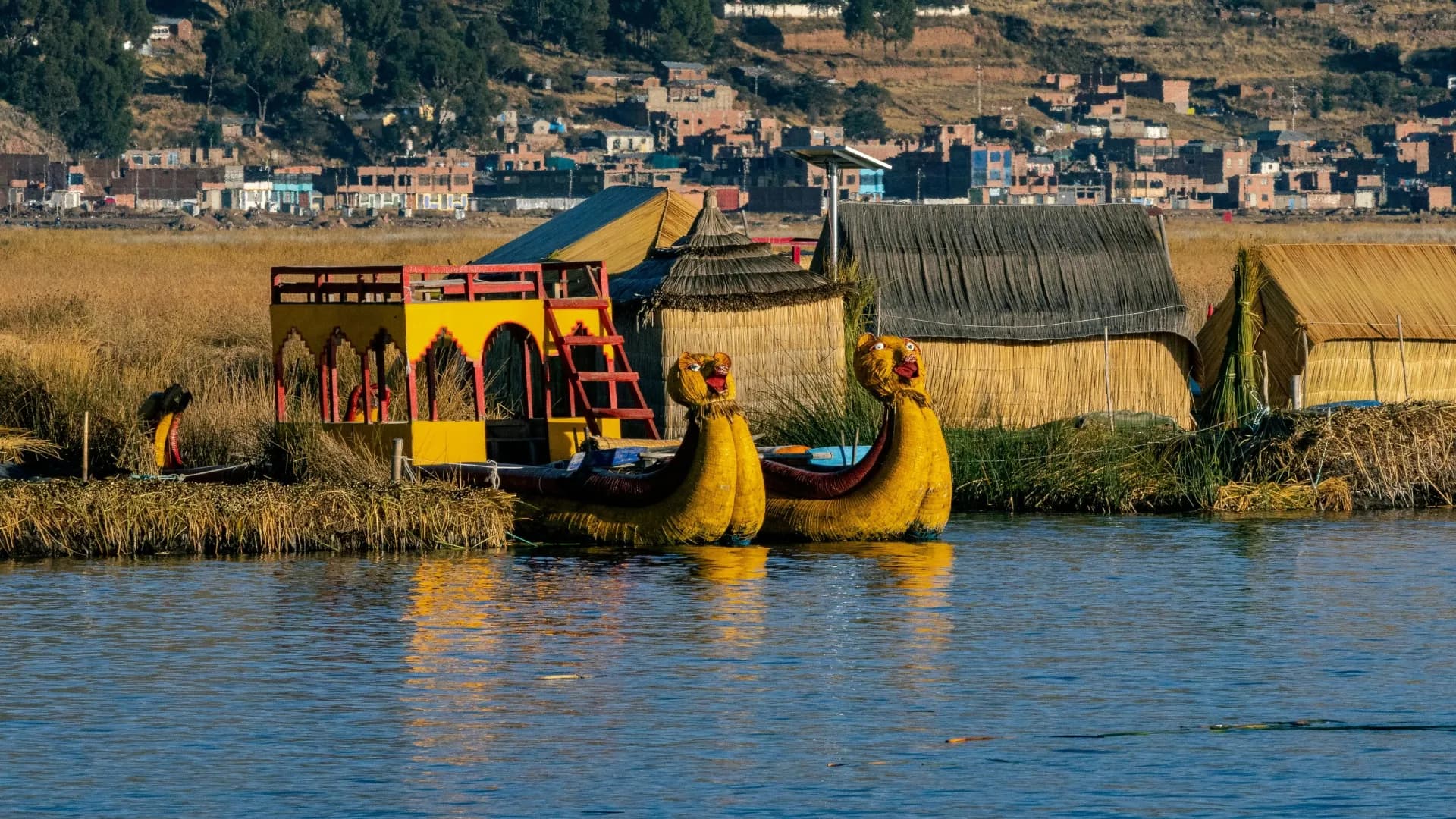
Immerse yourself in the magic of Lake Titicaca, the highest navigable lake in the world, with our tours that explore floating islands like Uros and Taquile, where you'll meet local communities and their traditions. You'll also discover archaeological sites like the Sillustani funerary towers and the natural beauty of the Pampas Galeras National Reserve, home of the vicuña.
Puno
There are interesting places in Puno Puno
Discover these interesting places in Puno
Uros
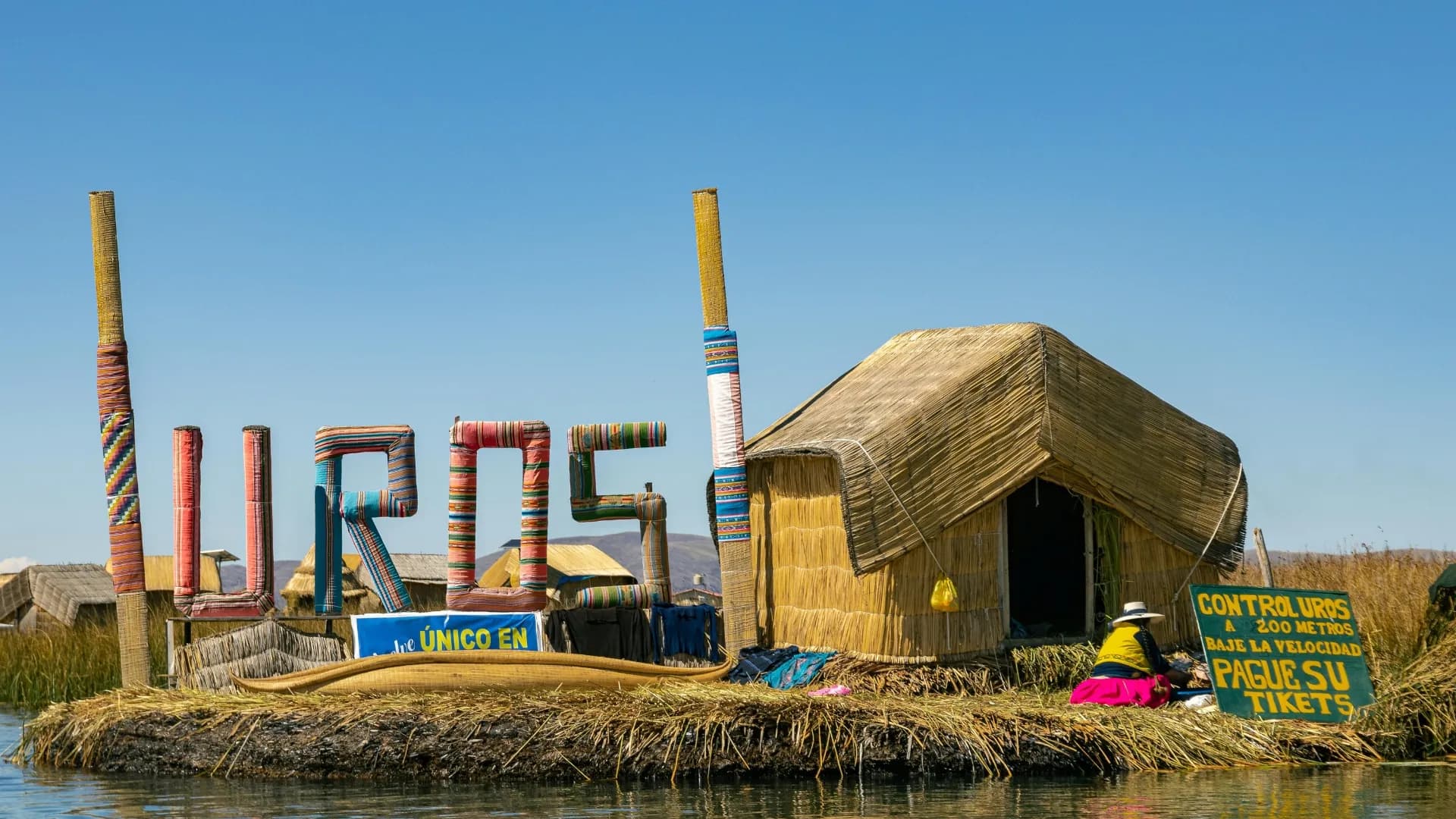
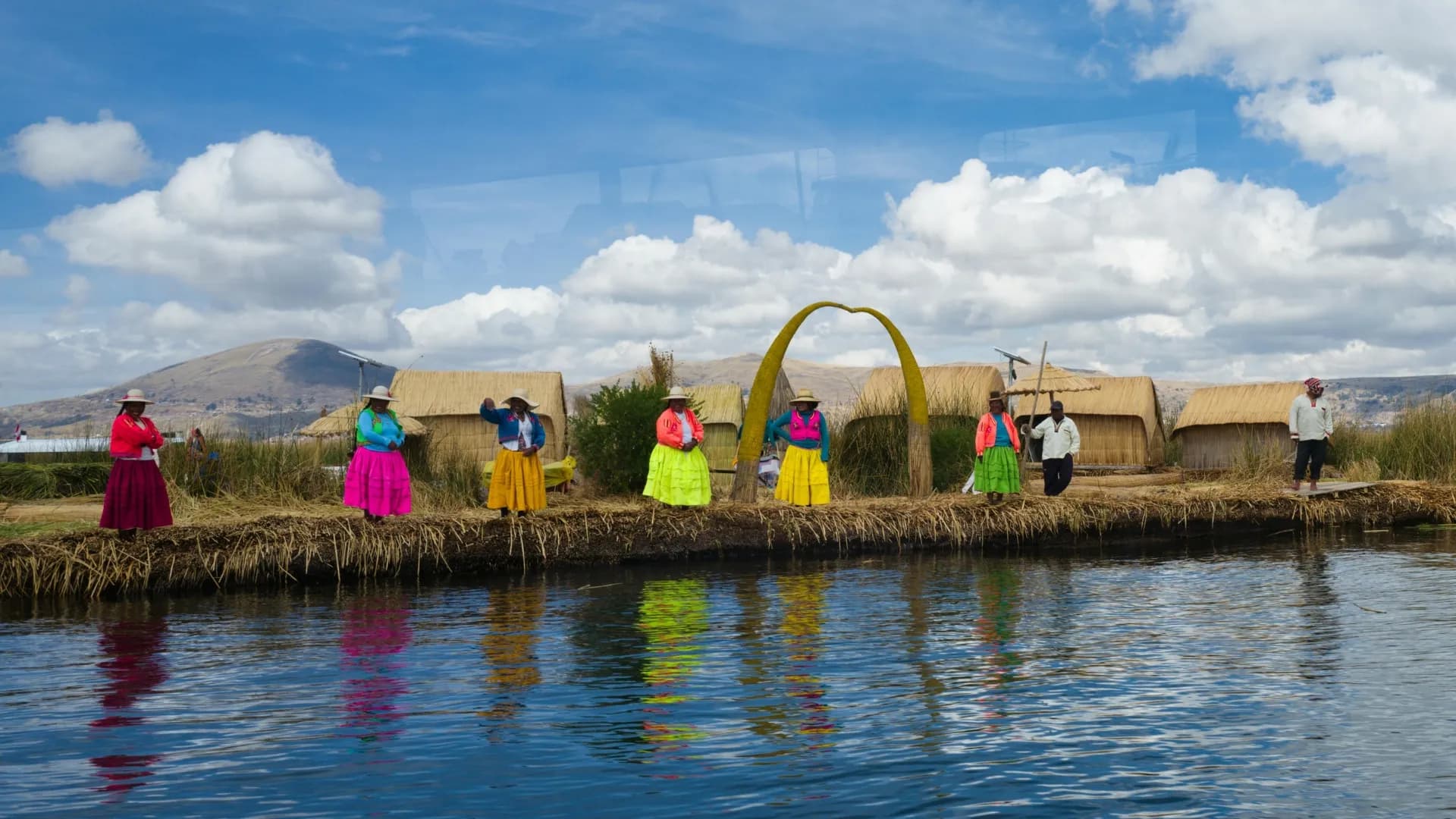
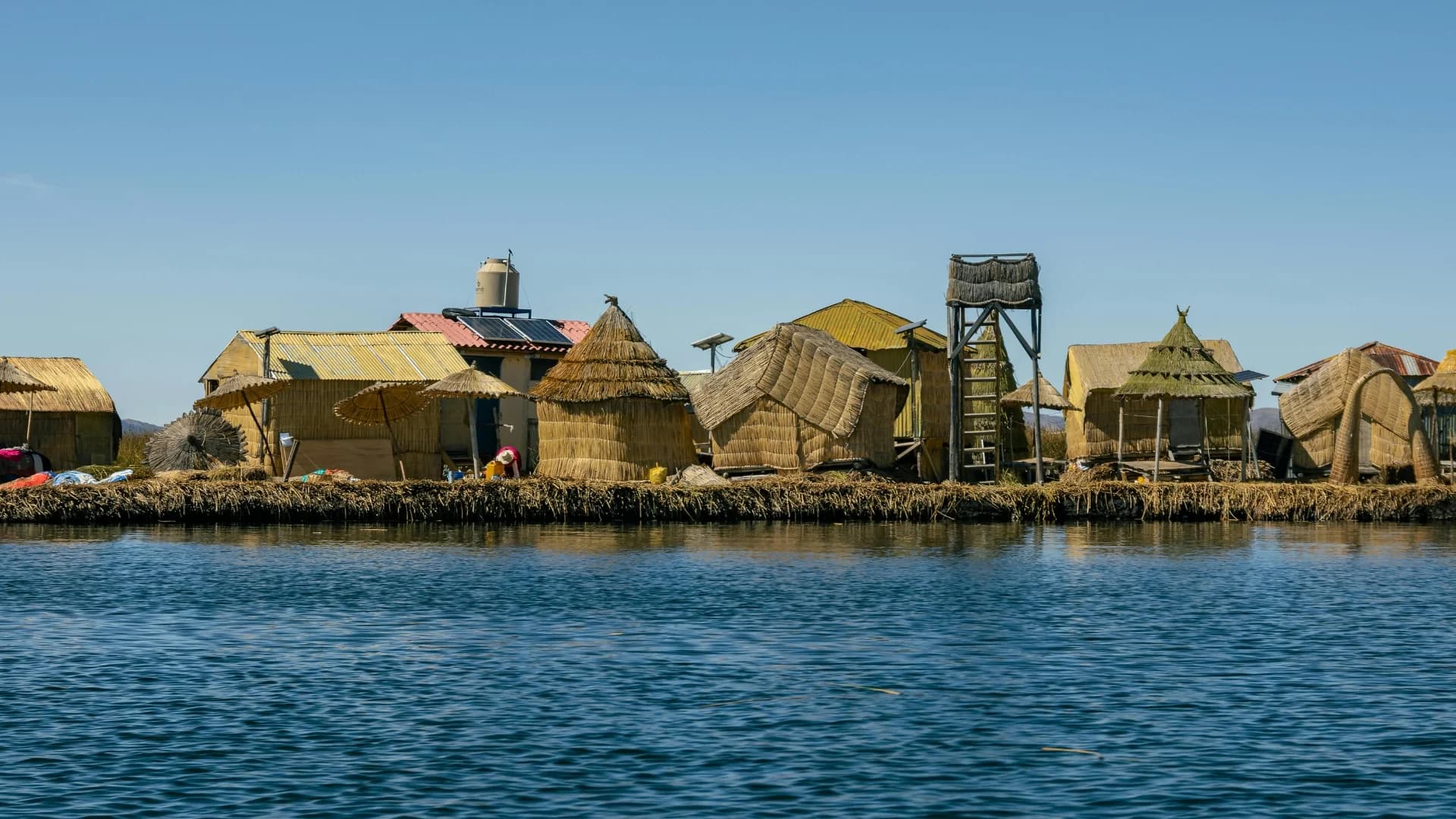
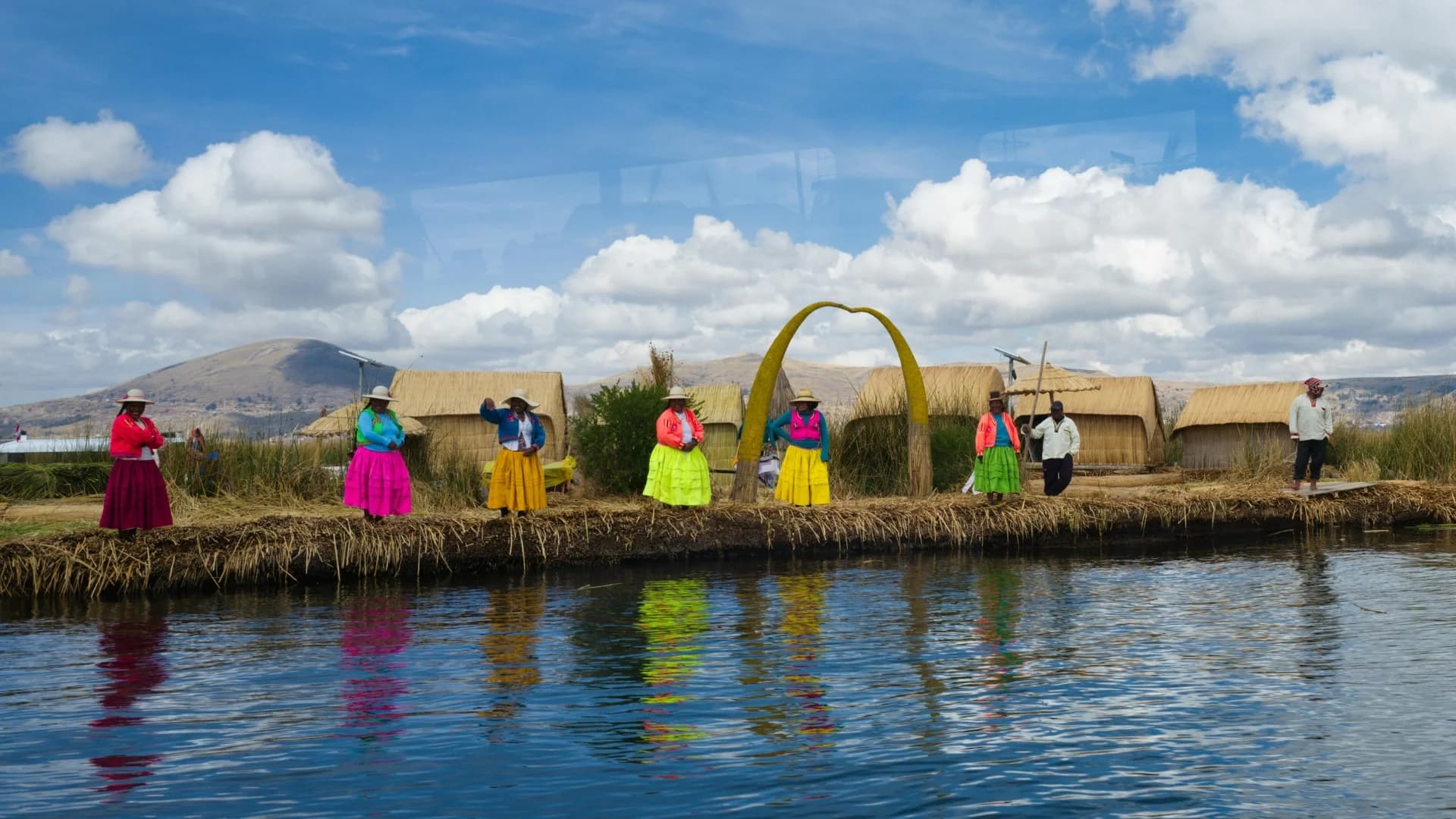
Uros Island, located on Lake Titicaca in Puno, Peru, is a unique and captivating tourist destination. They are a group of artificial floating islands made of totora reeds, an aquatic plant, which are constantly renewed by the Uros, the community that inhabits them.
Sillustani
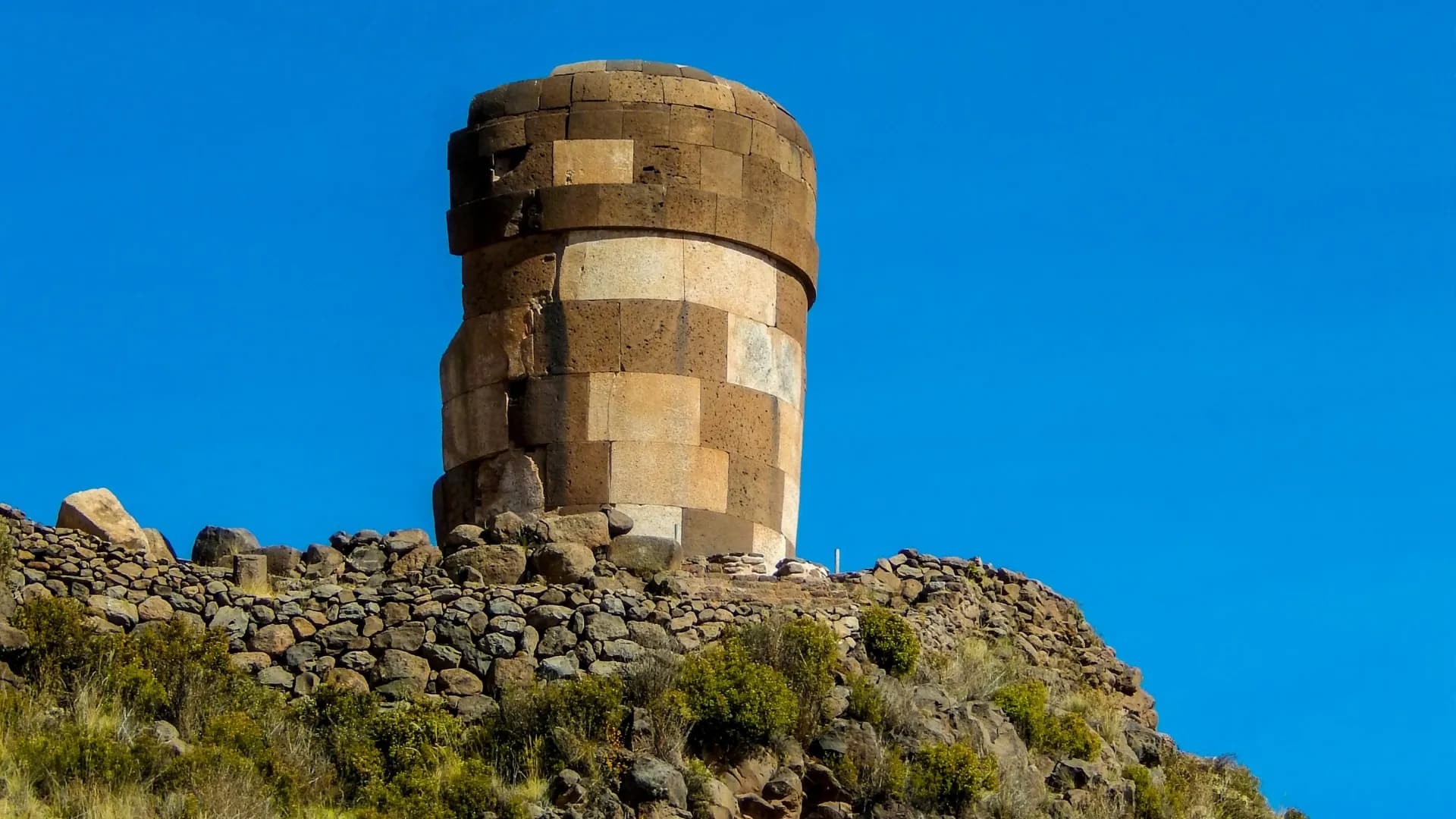
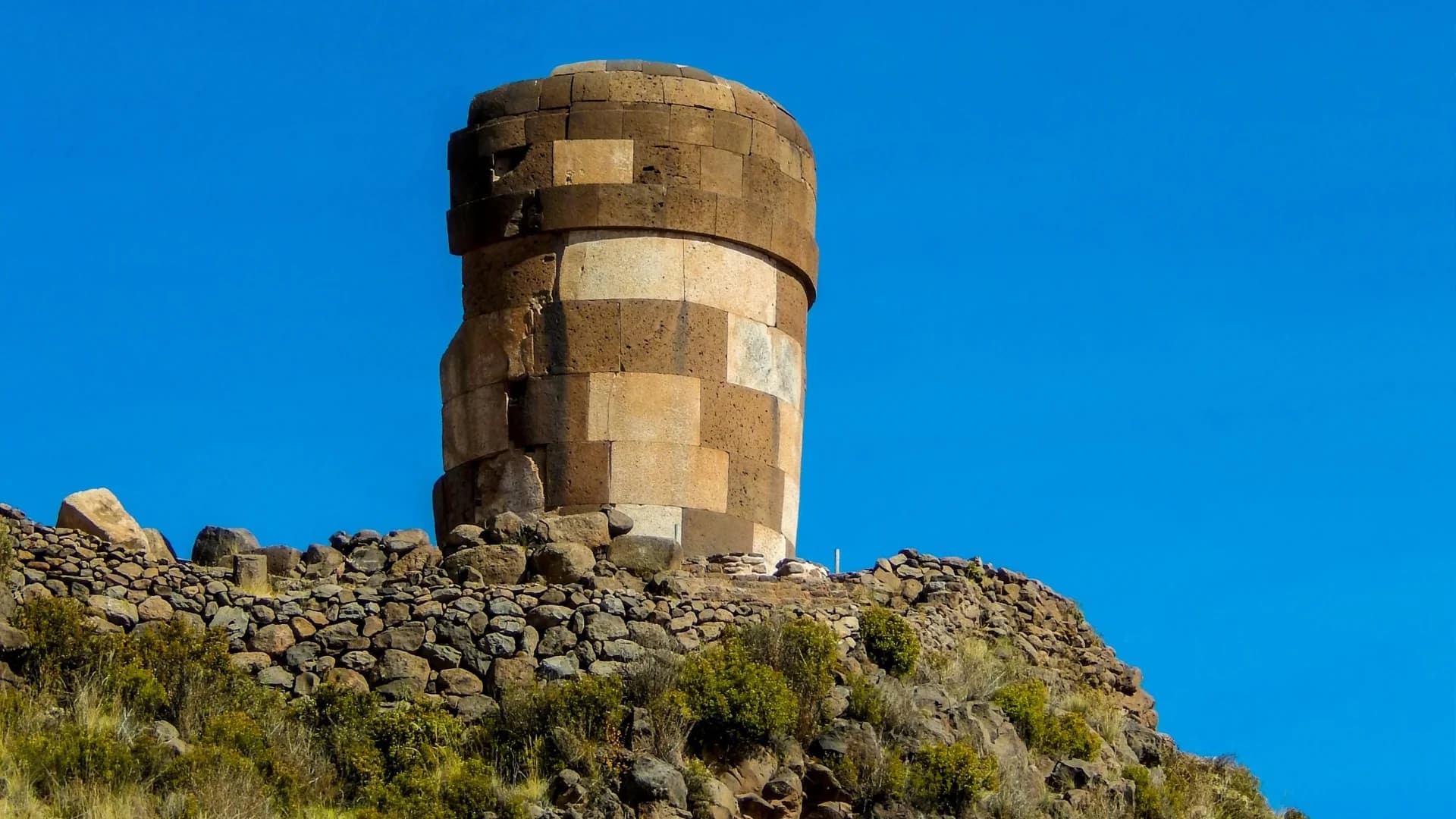
Sillustani is an archaeological site in Puno, Peru, known for its chullpas, which are funerary towers built by the Colla culture. It is an impressive pre-Incan cemetery, located on a peninsula in Lake Umayo, offering a unique tourist experience.
Taquile
Taquile Island, located on Lake Titicaca, is a unique tourist destination notable for its rich textile culture and craftsmanship. Visitors can learn to weave like the Taquileños, explore Inca ruins, enjoy local cuisine, and connect with the community.
Recommended tours

We have answers to all your questions
We know how important it is for you to be well informed before your trip. Here you will find answers to the most frequently asked questions we receive from our travelers. If you have any other questions, do not hesitate to contact us. We are here to help you plan the adventure of your dreams!
We offer a variety of tours in Puno designed to explore the cultural richness, natural beauty, and unique experiences of the region. From excursions to the floating islands of the Uros and Taquile Island on Lake Titicaca to visits to archaeological sites like Sillustani, we have options for all interests and preferences.
Booking a tour in Puno is easy. You can do so through our website, where you will find detailed information about each tour, prices, and availability. You can also contact our customer service team for personalized assistance and to make your reservation.
The length of our tours in Puno varies depending on the itinerary and the activities included. Some tours may be half a day, while others can extend to several days, especially those that include excursions to Lake Titicaca and other remote areas of the region. Please refer to each tour description for specific duration information.
We recommend wearing comfortable, weather-appropriate clothing, as the weather in Puno can be changeable. It's also important to bring sunscreen, a hat, insect repellent, and bottled water. For specific tours, such as those that include hiking or visits to archaeological sites, be sure to bring appropriate footwear and a camera to capture unforgettable memories.
Most of our Puno tours are suitable for people of all ages, but some activities may be more appropriate for certain age groups or fitness levels. If you have any specific concerns about accessibility or the suitability of a tour for your group, please don't hesitate to let us know, and we will be happy to help you find the best option.
In case of emergency, you can call 105 for the police and 116 for an ambulance or the fire department.
You can leave feedback about your tour on our Tripadvisor profile, by email, or by phone. We welcome your comments and will use them to improve our tours.