Published on : 2025-06-06
The Inca Trail to Machu Picchu: A Cultural and Natural Heritage Site
The Inca road to Machu Picchu is an emblematic route that combines physical challenge with a unique immersion in the history and culture of the ancient Inca Empire, offering natural landscapes and unforgettable archaeological sites.
History of the Inca Trail
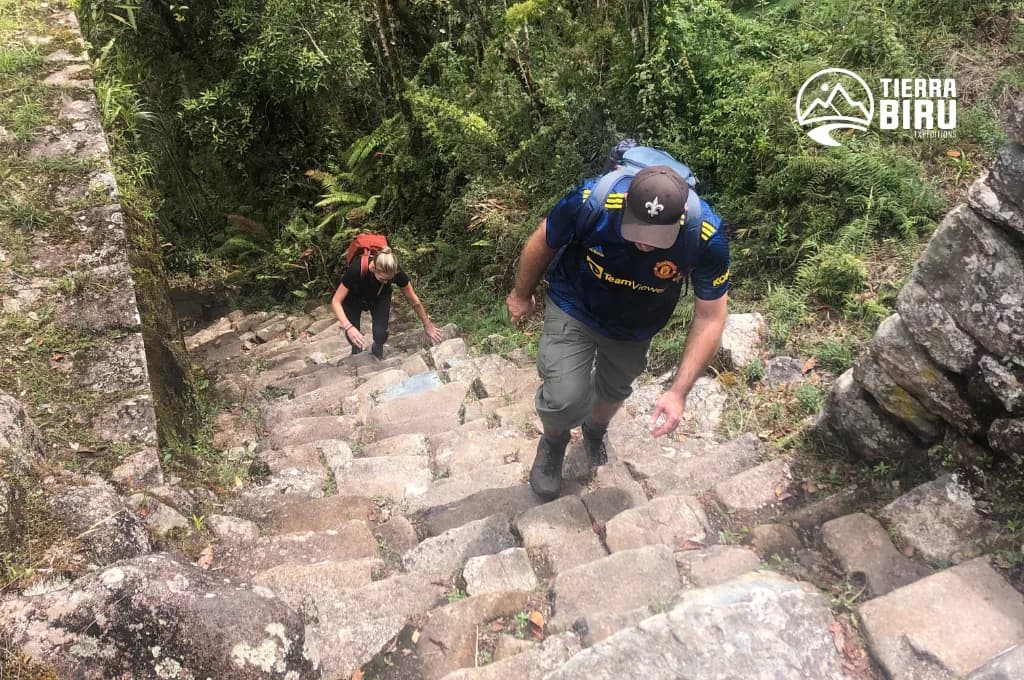
The Inca Trail dates back to the time of the Inca Empire, which flourished in the 15th century. The Incas built an extensive network of roads that connected their vast territory, facilitating the movement of armies, traders, and messengers. This road system, known as Qhapaq Ñan, spanned thousands of kilometers through diverse regions, including mountains, jungles, and deserts.
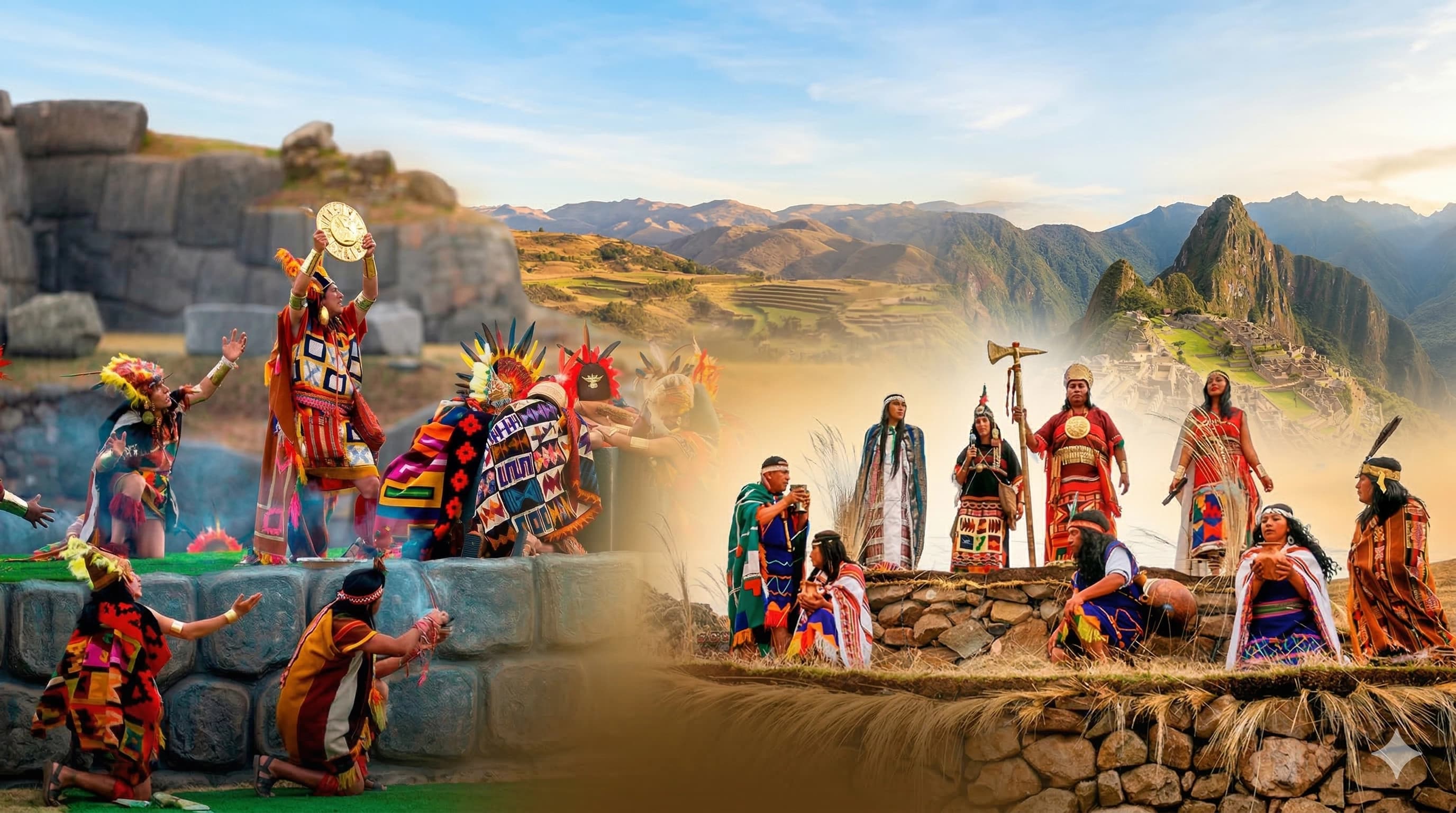
The specific section of the Inca Trail leading to Machu Picchu was used not only to access this iconic citadel, but also as a religious and trade route. During the height of the empire, Machu Picchu served as an important administrative and ceremonial center. The road allowed Inca priests and officials to reach this sacred site to carry out rituals and ceremonies.
The discovery of Machu Picchu by Hiram Bingham in 1911 marked the beginning of worldwide interest in this ancient city. Since then, the Inca Trail has attracted thousands of tourists and adventurers every year, becoming one of the most popular trekking routes in the world.
Cultural and Archaeological Importance
The Inca Trail is not only a physical journey, but also a journey through Inca time and culture. Along the route, hikers can explore a number of archaeological sites that offer a fascinating insight into Inca life. Some of these sites include:
- Patallacta: An ancient agricultural settlement that showcases ingenious Inca architecture and its relationship to agriculture.
- Sayhuite: Known for its hydraulic systems, this site reveals the Incas’ skill in engineering and water management.
- Puyupatamarca: An architectural complex located on top of a mountain that offers impressive views and is an example of Inca architectural advancement.
These sites are not only important from a historical point of view, but are also connected to Inca spirituality. For the Incas, nature and architecture were intrinsically linked, and each site had a religious and ceremonial purpose.
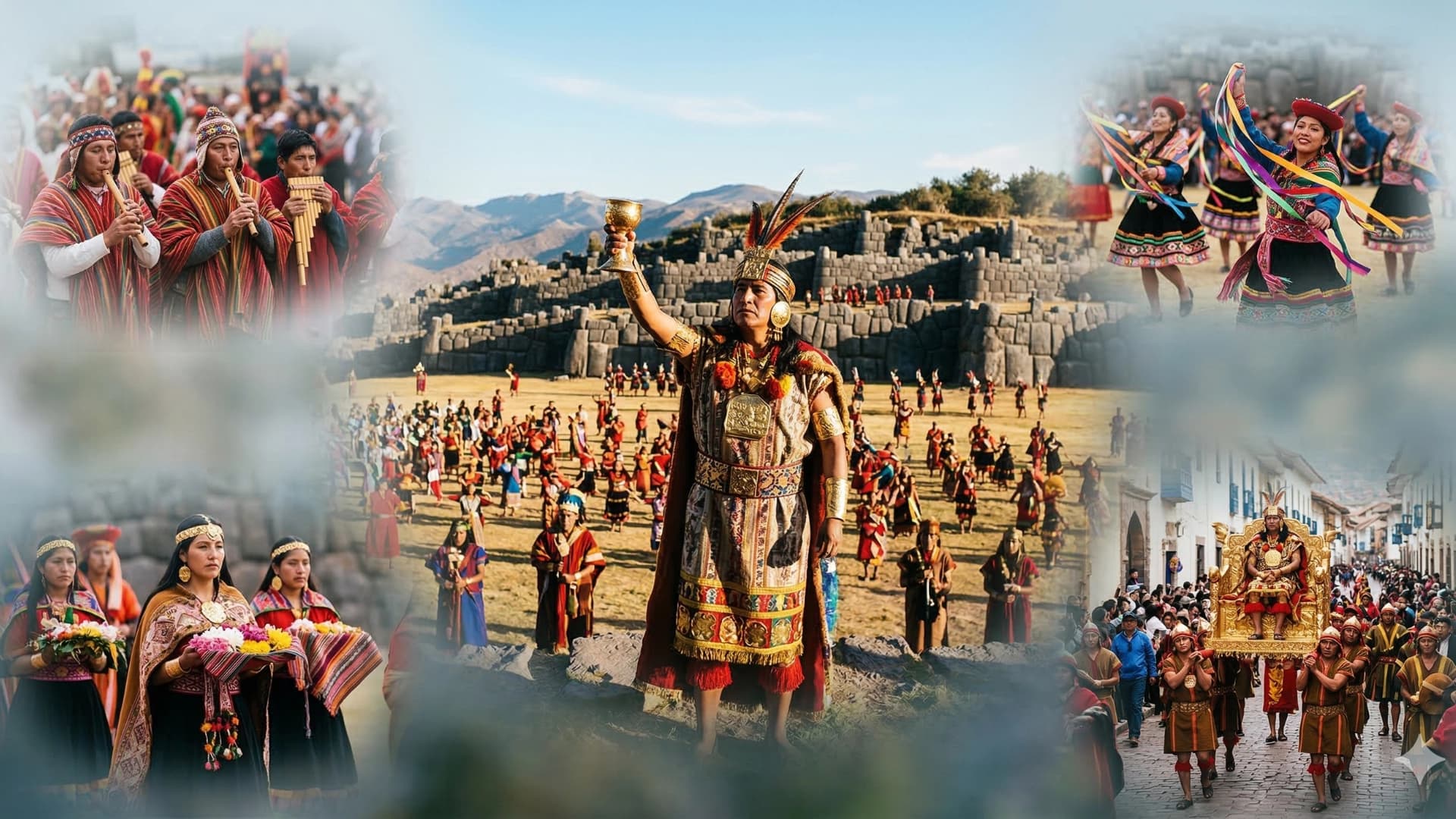
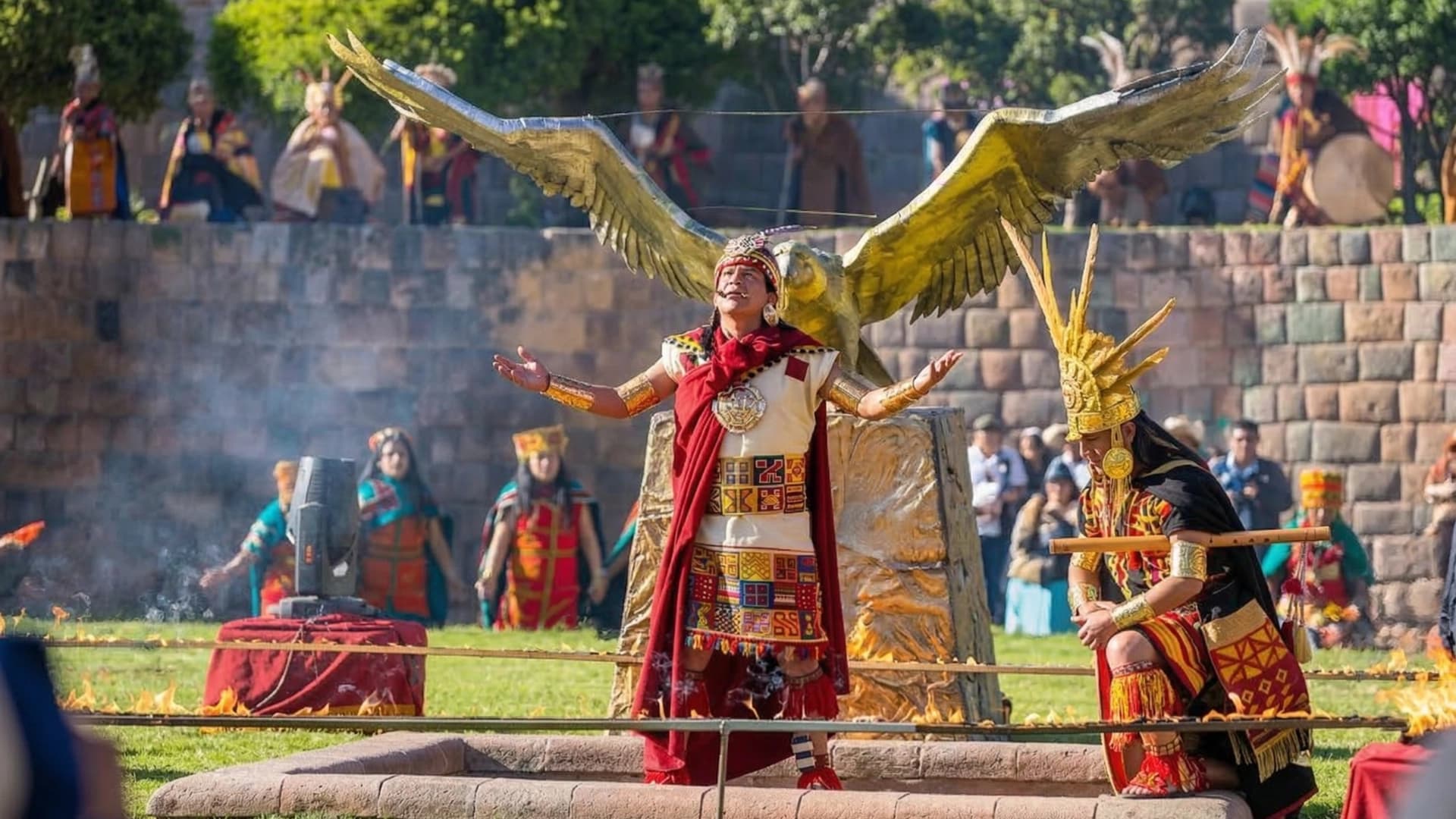
In addition, the living culture of the local communities near the Inca Trail is a crucial element in the preservation of this heritage. Andean traditions, typical dress, and agricultural practices still carried out today reflect the continuity of Inca culture. Travelers walking the Inca Trail are not only experiencing history, but also participating in the life of these communities.
.webp&w=3840&q=75)
.webp&w=3840&q=75)
Biodiversity along the trail
The Inca Trail is a microcosm of biodiversity that varies from temperate valleys to mountain peaks. As hikers progress, they encounter a variety of ecosystems that harbor numerous species of flora and fauna.
Ecosystems and flora
The route begins in the Sacred Valley, where crops of corn, quinoa, and other agricultural products typical of the region can be observed. As you ascend, the vegetation changes and you encounter eucalyptus forests and native Andean plants such as chuña, molle, and various species of orchids. The diversity of plants on the trail is not only impressive, but also reflects the adaptation of the flora to different altitudes and climates.
Wildlife
The fauna of the Inca Trail is equally rich. During the trek, it is possible to spot birds such as the Andean condor, hummingbirds, and various species of birds of prey. Mammals such as the viscacha, the Andean deer, and—with luck—the majestic puma can also be found. This richness is a reminder of the importance of conserving these fragile ecosystems.
.webp&w=3840&q=75)
Preparing for the Inca Trail
Before embarking on the Inca Trail adventure, proper preparation is crucial. Here are some practical tips:
- Book early: Due to the limited number of trekkers allowed on the Inca Trail, it’s best to reserve several months in advance.
- Choose the right tour: Compare operators and pick one with experienced guides, good service, and a sustainable approach.
- Physical training: The Inca Trail is demanding. Train beforehand with long walks and endurance exercises.
- Equipment needed: Comfortable trekking boots, warm layers, rain protection, and a light backpack. Bring enough water and snacks.
- Health considerations: Altitude can affect people differently. Watch for symptoms of altitude sickness and acclimatize in Cusco before starting.
.webp&w=3840&q=75)
.webp&w=3840&q=75)
The Impact of Tourism on the Inca Trail
While tourism on the Inca Trail brings economic benefits to local communities and the country, it also poses significant challenges. The growing influx of visitors raises concerns about the conservation of cultural and natural heritage. Some key impacts include:
- Soil erosion: Constant foot traffic can deteriorate terrain. Stay on marked trails and minimize environmental impact.
- Impact on wildlife: Visitors can alter habitats and affect animal behavior. A balance is needed between access and conservation.
- Sustainability: Supporting responsible operators and implementing regulations help protect the trail long-term.
.webp&w=3840&q=75)
Conclusion
The Inca Trail to Machu Picchu is more than just a hike; it is a journey through the history, culture, and nature of one of the world’s most fascinating civilizations. As travelers walk this ancient route, they become part of a rich cultural and natural heritage.
The experience offers the opportunity to appreciate not only the magnificence of Machu Picchu, but also the profound legacy of the Incas and their connection to nature. Proper preparation and a responsible approach to tourism are essential to ensure that this trail remains accessible and preserved for future generations.
Whether you seek adventure, reflection, or a deeper connection to history, the Inca Trail offers a transformative experience that leaves an indelible mark on every traveler who dares to walk it.