Published on : 2025-06-20
Coricancha The Golden Temple of the Inca Empire
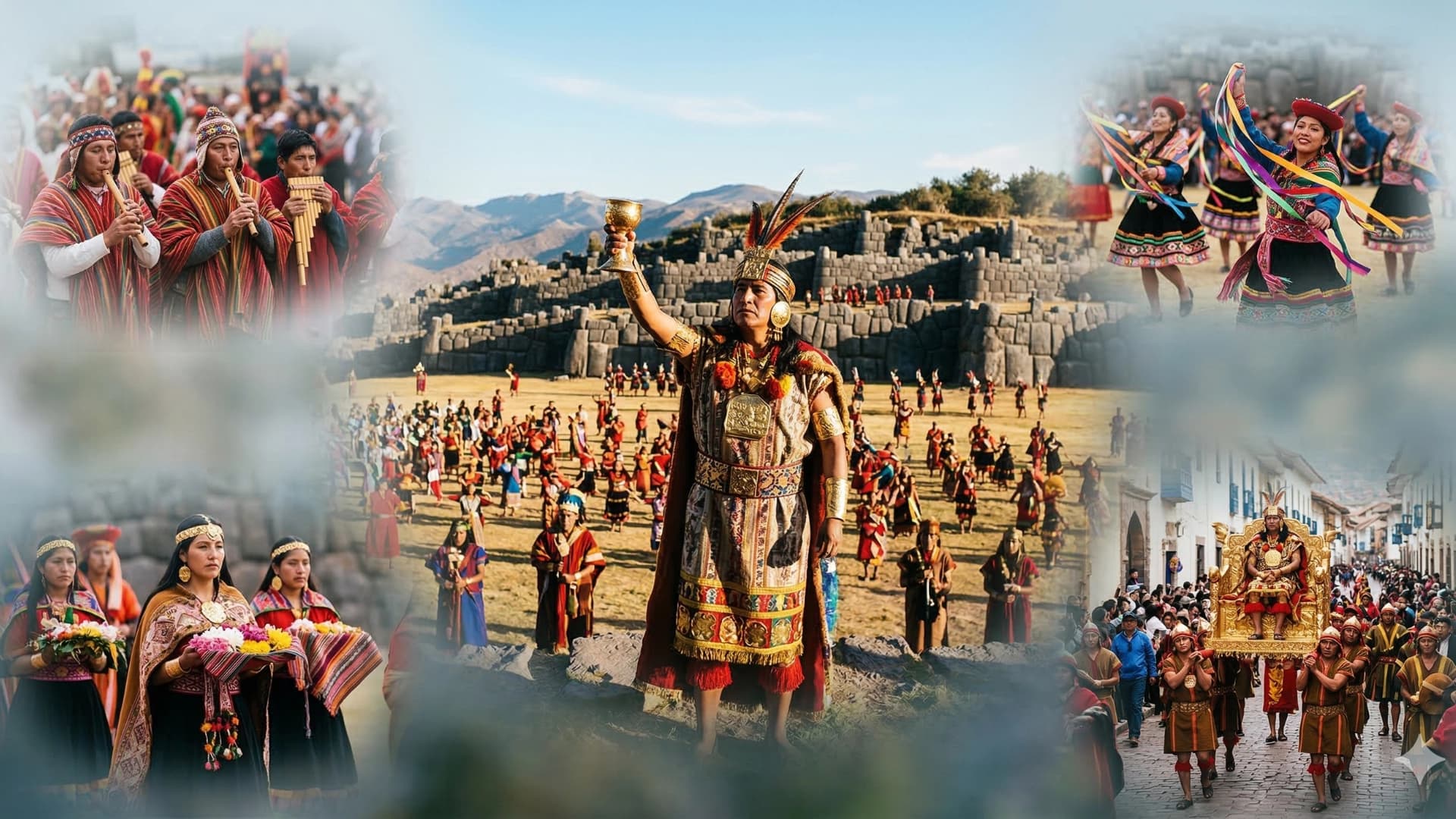
Coricancha: The Golden Temple of the Inca Empire Cusco, the navel of the world for the Incas, is a place where history intertwined with the present in a unique way.
The Origin of the Coricancha: A Center of Spiritual and Political Power
The Coricancha—whose name in Quechua means “golden enclosure” or “golden temple”—was erected during the rule of the Inca Huiracocha around the 13th century.
Initially known as Inticancha (“enclosure of the sun”), this temple became the epicenter of religious and political life in the Tahuantinsuyo, the vast Inca Empire.
Its importance came from being considered the residence of Inti, the sun—the supreme deity in Inca belief.
Under the rule of Inca Pachacutec in the mid-15th century, Inticancha was renovated and embellished, becoming the Coricancha we know today.
Pachacutec not only expanded the empire to its farthest limits, but also promoted majestic architectural works, with Coricancha occupying a central place.
This temple became a symbol of Inca power, and its wealth was shown not only in its structure, but also in the valuable offerings it housed.
.webp&w=3840&q=75)
The Architecture of the Coricancha: Inca Perfection
One of the most fascinating aspects of Coricancha is its architecture, which reflects the high degree of development reached by Inca engineers and architects.
The temple was built with finely carved stone blocks perfectly fitted together, without the use of mortar. This type of construction—often referred to as finely cut ashlar stonework—was not only aesthetically impressive, but also extremely resistant to earthquakes.
The walls were once covered with sheets of gold that reflected sunlight, giving the temple a dazzling glow.
Inside the sacred precinct, there were said to be gold and silver statues of different divinities, along with representations of Andean flora and fauna made of precious metals—figures of vicuñas, birds, trees, and crops like corn.
Coricancha also included chambers dedicated to different deities and functions, such as:
- Inti Huasi (House of the Sun), dedicated to the solar god.
- Killa Huasi, dedicated to the Moon goddess.
Each chamber had a specific purpose and was adorned with precision and symbolism, reflecting the importance of each deity in the Inca worldview.
.webp&w=3840&q=75)
The Conquest and the Transformation of the Coricancha
The arrival of the Spaniards in Cusco in 1533 marked the beginning of drastic change for Coricancha—and for the entire city.
The conquistadors, impressed by the temple’s magnificence, looted it and took much of the gold and silver that once decorated it. A large portion of that treasure was reportedly tied to the ransom of Atahualpa, the last Inca emperor, who was ultimately executed.
Coricancha was not only stripped of its material wealth, but also of its sacred meaning.
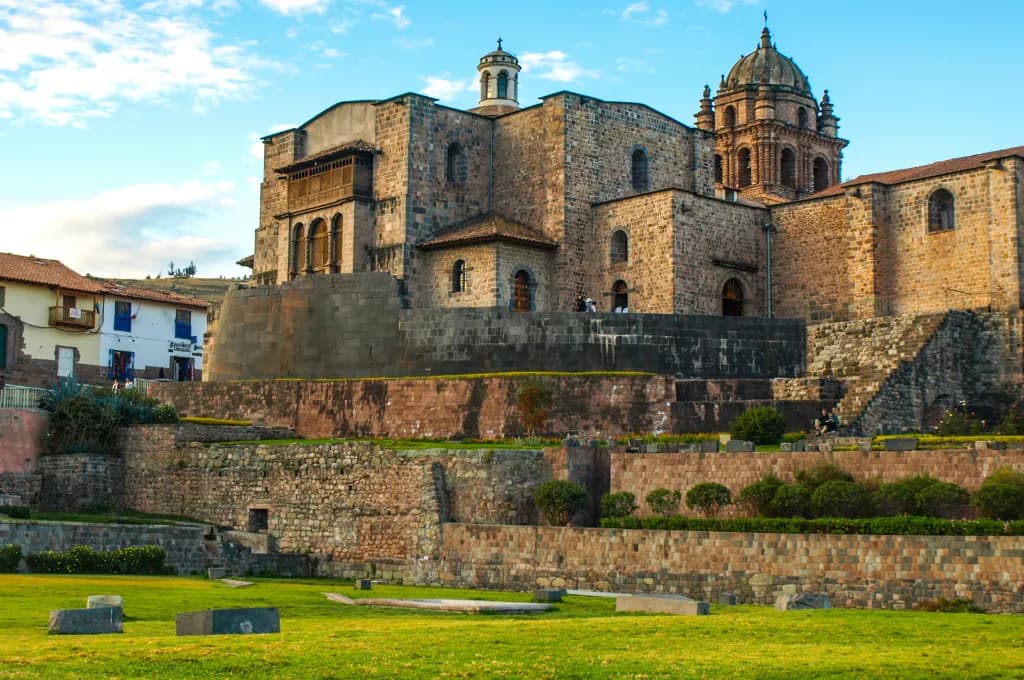
In a symbolic act of domination, the Spanish built the Convent of Santo Domingo on top of its foundations, turning the site into an important colonial religious center.
Yet the resilience of Inca construction showed itself repeatedly: earthquakes in 1650, 1746, and 1950 severely damaged the convent, but left many of the original Inca walls relatively intact—highlighting the strength and precision of Inca engineering.
.webp&w=3840&q=75)
The Coricancha Today: A Living Legacy
Today, Coricancha remains one of Cusco’s main attractions. Visiting offers a unique experience where you can observe the coexistence of two cultures that—despite their initial confrontation—helped shape the city’s identity.
A tour provides a close-up view of impressive Inca stonework and structural design that has withstood time and natural disasters.
Visitors can also explore the Santo Domingo convent, where colonial-era paintings and religious art create a striking contrast with the Inca foundations.
.webp&w=3840&q=75)
The Fusion of Two Cultures: Reflections on the Coricancha
Coricancha is a living testimony to the fusion of Inca and Spanish culture.
For the Incas, it was a sacred center where the sky, the earth, and the underworld were connected—an axis of spiritual power.
For the Spaniards, it became a symbol of victory and the imposition of a new faith and cultural order.
Yet the site also speaks of resistance and resilience. Inca culture endured through centuries, adapting and surviving despite attempts to erase it.
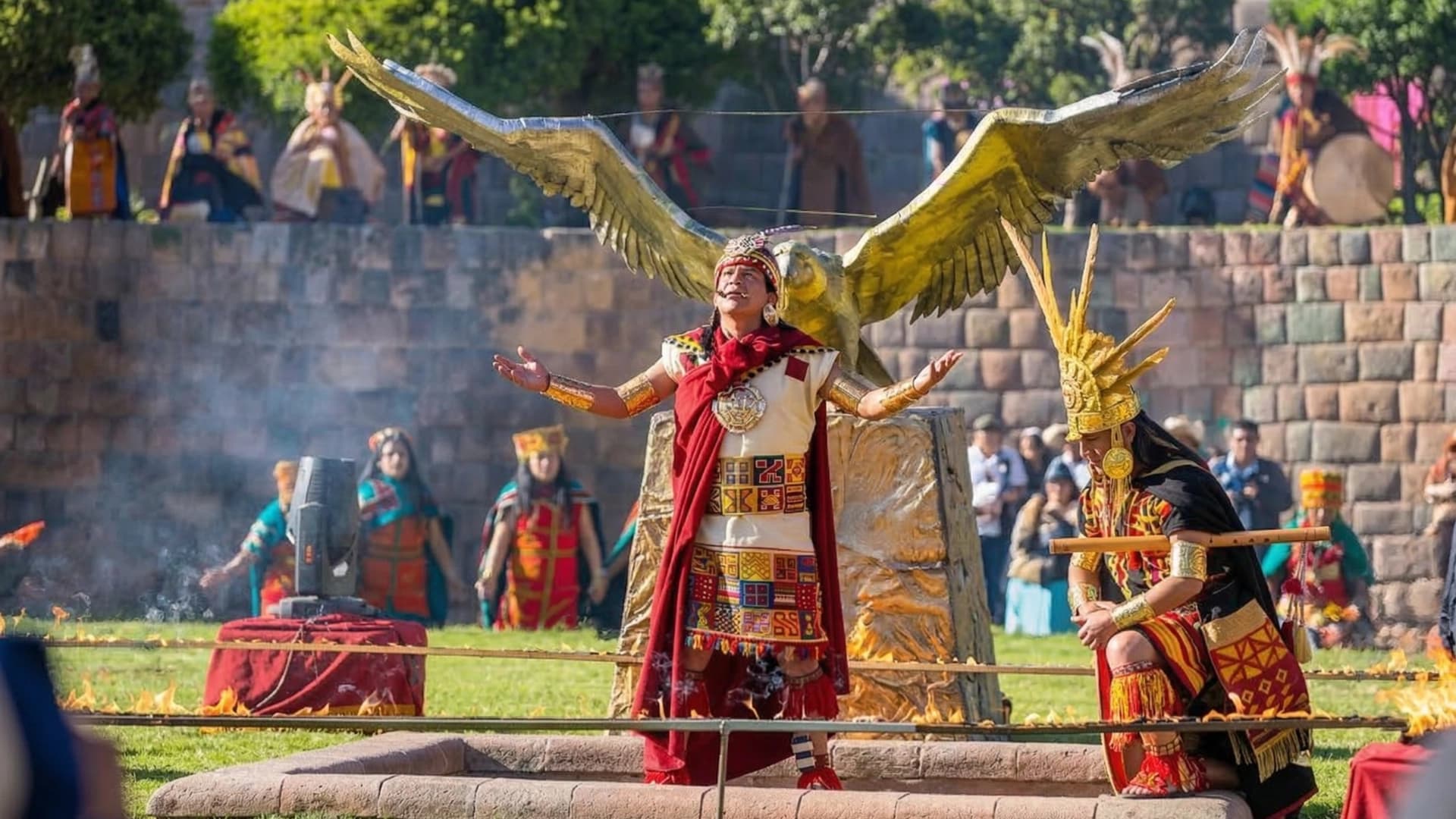
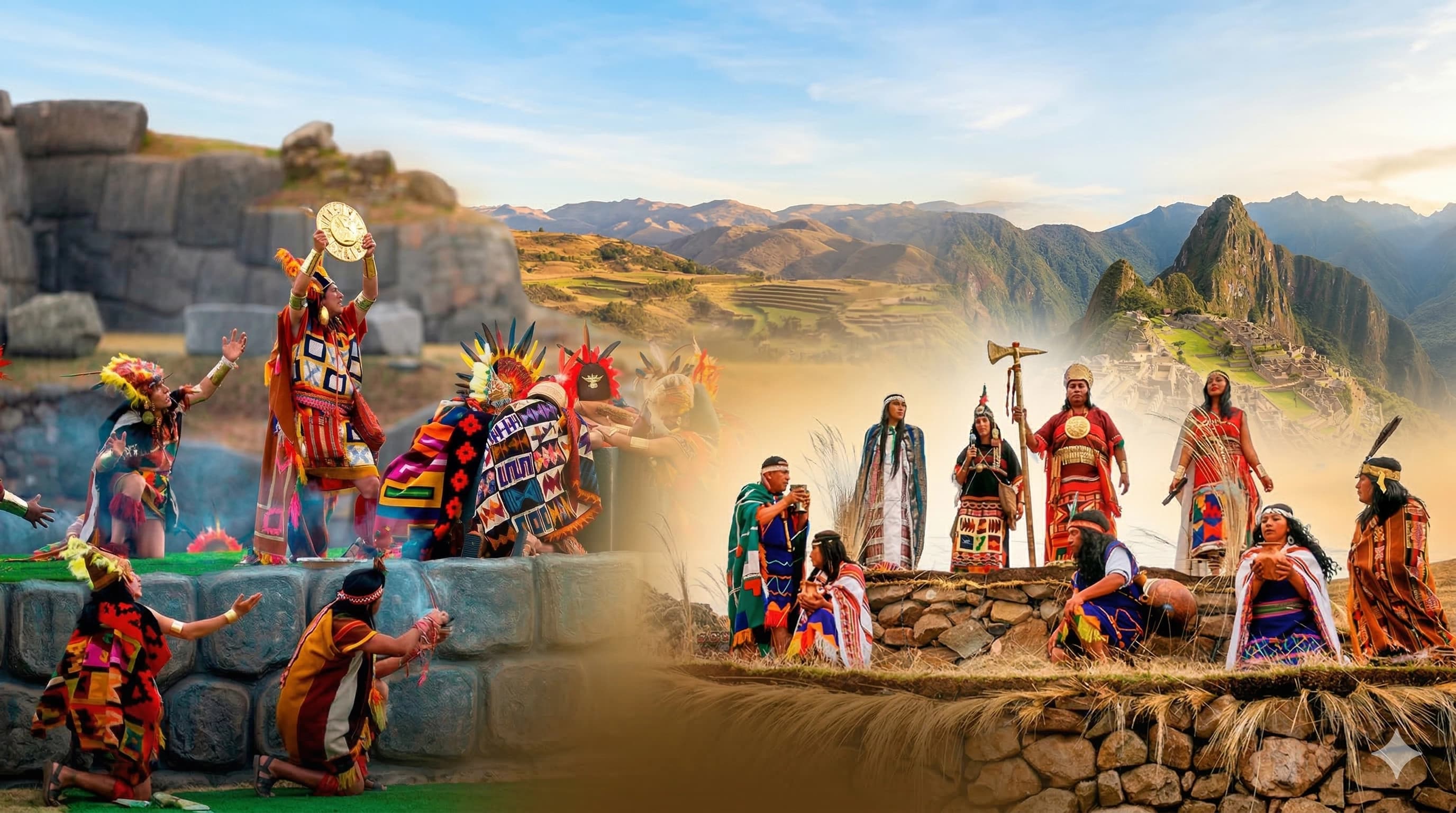
Today, descendants of the Incas continue to celebrate their traditions, and Coricancha remains sacred for many—both as heritage and as living memory.
.webp&w=3840&q=75)
.webp&w=3840&q=75)
.webp&w=3840&q=75)
Coricancha: An unforgettable visit
Walking through Cusco can feel like walking through the pages of a history book—and visiting Coricancha is like stepping into the heart of that story.
The first time you see the site, you’ll likely be struck by how the stones of the Inca wall integrate with the colonial structure of the convent, creating a contrast that is both surprising and moving.
It’s hard not to feel connected to the place knowing it witnessed major historical events—from Inca sun worship to the arrival of Spanish conquistadors.
The mix of cultures is evident not only in the architecture, but also in the atmosphere: a space where the old and the new meet.
Coricancha is much more than an archaeological site; it is a symbol of Cusco’s cultural richness and a reminder of the greatness of the Inca Empire.
For anyone interested in history and culture, this is a visit not to be missed—where past and present meet and invite reflection on legacy, identity, and change.