Sacred City of Caral
Contact usSacred City of Caral
5.0
Recommended by travelers worldwide
.webp&w=3840&q=75)
.webp&w=3840&q=75)
Itinerary
Discover the Sacred City of Caral, considered the oldest civilization in the Americas.
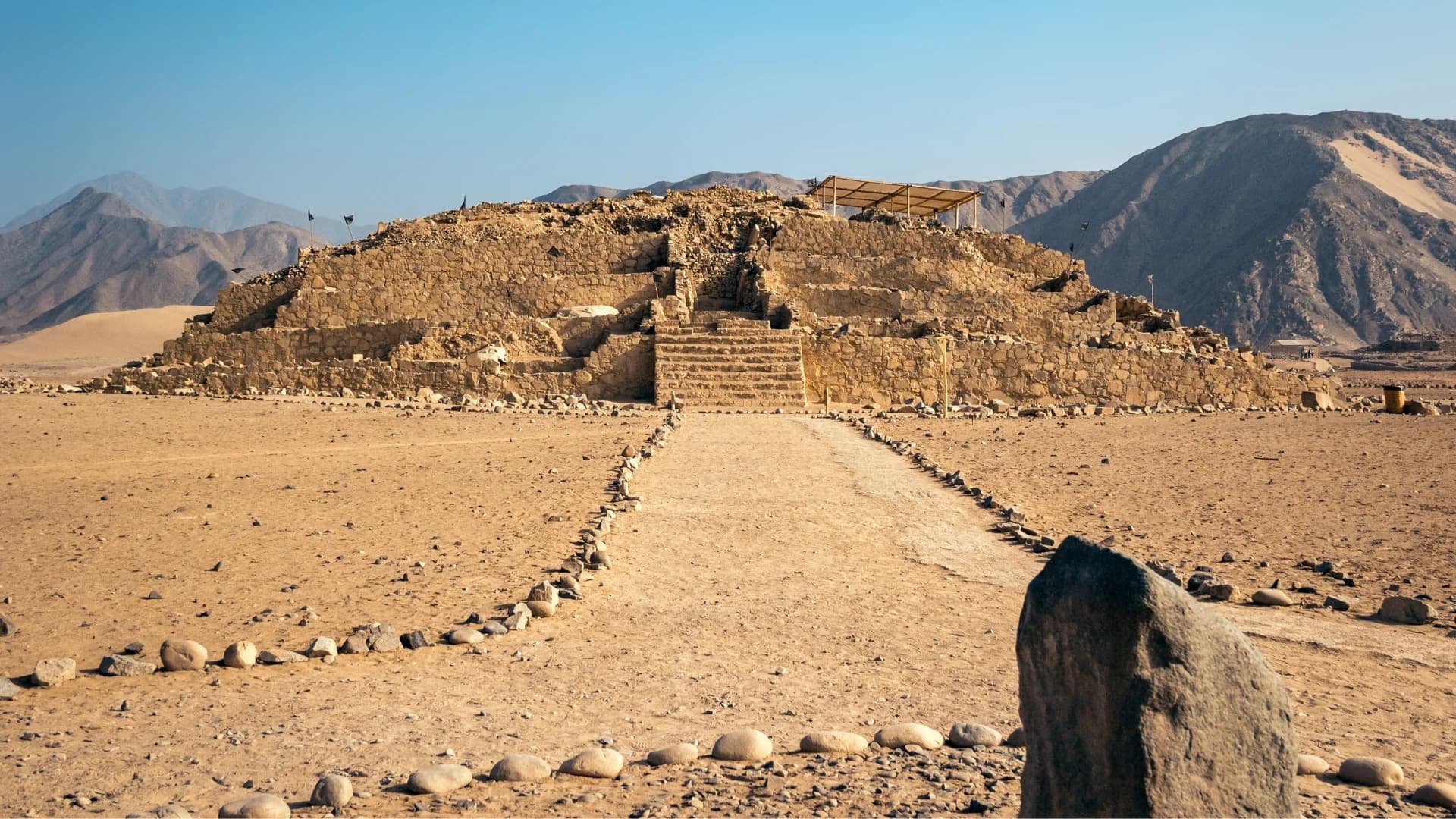
At 6:00 AM, the tour will begin with pickup at the hotel, heading north to Caral, the oldest city in Peru. Declared A UNESCO World Heritage Site in 2009, Caral is located 23 km from the town of Supe, at kilometer 180 of the Pan-American Highway. This archaeological site, discovered by archaeologist Ruth Shady Solís, changed the course of Peruvian pre-Hispanic history, being the site of the first Andean civilization that established the foundations of a unique social organization. Along with Mesopotamia, Egypt, India, China, and Mesoamerica, Caral is one of the original centers of culture in the world, considered the oldest civilization in Peru and the Americas, as well as the third oldest place on the planet. During the visit, participants will admire the main pyramid, which is approximately the size of four football fields and rises to a height of 60 feet (18 meters), as well as explore the courtyards and amphitheater, all framed by stunning views of the surrounding valley.
What’s included?:
- Tourist transportation
- Official tourist guide
- Visit to the oldest civilization in the Americas
- Admission to tourist attractions
- First aid kit
Suggestions for your trip
Check prices and schedules with your advisor.
What’s not included?
Tips, expenses
Personal
Food
Let our team of experts help you choose the best tour for you today!
Before$ 94
day
$ 85
Price by group
per adult
Why do travelers love this tour?
Ronald Q
2024-02-10
Servicio excelente y puntual
Demaciado bueno, responsables y muy puntuales. Guías muy profesionales, atentos, gracias Tierra Biru por la experiencia.
Karla S
2024-01-28
Primera vez en Cusco inolvidable
Es mi primera vez en Cusco y no pudo ser mejor, gracias a ustedes Tierra Biru. Hicieron de nuestra visita la más grata. La atención, organización y disposición fueron increíbles. Sin duda regresaremos y será con ustedes.
Juan José Villalobos
2024-03-05
Todo el equipo de 10
Demasiado buen servicio de todo el equipo de Tierra Biru. Si vuelvo a Cusco, son a quienes contrataría. El precio, la atención, los guías, los transportes… en todo nota 100.



We have answers to all your questions
We know how important it is for you to be well informed before your trip. Here you will find answers to the most frequently asked questions we receive from our travelers. If you have any other questions, do not hesitate to contact us. We are here to help you plan the adventure of your dreams!
The best way to avoid altitude sickness in Cusco is to arrive prepared. For the first two days, take it easy: avoid intense physical effort, rest well, and stay hydrated. Drinking alcohol or smoking is not recommended because it can worsen symptoms. If you feel unwell, let your hotel staff or guide know and prioritize rest.
It depends on the region. For Cusco and the Andes, the dry season (roughly May to October) is usually the most comfortable for tours and hikes because there’s less rain. The rainy season (roughly November to March) brings greener landscapes, but heavier rain and more variable weather. On the coast (Lima), summer is sunnier, while winter is more overcast.
For a comfortable visit, many travelers spend 4 to 6 days in Cusco: 1–2 days to acclimate and explore the city + 1 day for the Sacred Valley + 1 day for Machu Picchu (sometimes with an overnight stay in Aguas Calientes). If you also want Rainbow Mountain, Humantay, or other tours, it’s ideal to add 1 or 2 extra days.
For many countries in Latin America, Europe, and North America, entry as a tourist without a visa is often allowed for a limited time. Requirements still vary by nationality, so it’s best to check official information before traveling (and carry a valid passport and, if required, proof of onward travel).
In general, yes—you can travel normally, but as with any tourist destination, it’s best to take precautions: watch your belongings, avoid isolated areas at night, use official transportation, and don’t display expensive items. On tours, follow your guide’s instructions and avoid buying services from informal vendors without references.
The currency is the Peruvian sol (PEN). In big cities, you can pay by card in many places, but in markets, small towns, and for small purchases, cash is often better. It’s a good idea to carry small bills. To exchange money, use reputable exchange offices or banks and avoid street exchange.
Cusco has a mountain climate and it can change quickly. During the day there can be strong sun, and temperatures drop in the afternoon. Dressing in layers is best: a t-shirt, a warm layer (fleece), and a wind/rain jacket. Don’t forget sunscreen, a hat, sunglasses, and comfortable shoes. On tours like Humantay or Rainbow Mountain, it’s colder—especially early in the morning.
For most travelers, there are no mandatory vaccines for the main tourist areas (Lima, Cusco, Sacred Valley, Machu Picchu). If you’re visiting the Amazon (Iquitos, Puerto Maldonado), it may be recommended to ask about the yellow fever vaccine and mosquito protection. The most important things are travel insurance and bringing any personal medications you need.
In Peru, you can buy a prepaid SIM card from local operators (for example, at airports, malls, or official stores). You’ll usually need an ID document to register it. Hotels and restaurants often have Wi-Fi, but coverage can be unstable in rural routes. If you go trekking, expect some areas with no signal.
The key is to book in advance: tickets and, if applicable, trains/buses can sell out in high season. Bring your ID (passport or national ID) because it’s often required at checkpoints. Respect the assigned circuits and time slots. Wear comfortable shoes, bring water and sunscreen—weather can change quickly.
Peru uses type A and type C plugs, with 220V voltage in many places. If your devices use a different plug type or voltage, bring an adapter and/or converter. Tourist hotels sometimes offer multiple outlets, but it’s best not to rely on that.
Tipping isn’t always mandatory, but it’s common to tip for good service. In restaurants it can vary, and on tours it’s typical to tip the guide and/or driver depending on your satisfaction. Carrying small bills makes this easier.
In many cities, it’s recommended not to drink tap water, especially if you have a sensitive stomach. The safest option is bottled or boiled water, and be cautious with ice or juices if you’re not sure about hygiene.
In Lima, use ride-hailing apps or official services instead of informal street taxis. In Cusco, you can walk for short distances (keep in mind the hills), and for longer trips use official taxis or transportation arranged by an agency. For tours outside the city, the easiest option is a tour service or private transport.
Don’t forget: a valid document, travel insurance, layered clothing, a rain jacket, comfortable shoes, sunscreen, insect repellent (if you’re going to the jungle), sunglasses, a hat, a basic first-aid kit, and cash in small bills. If you have demanding tours, motion-sickness tablets and light snacks can also help.
Related articles
These articles may interest you or help you better plan your next trip.
MIN
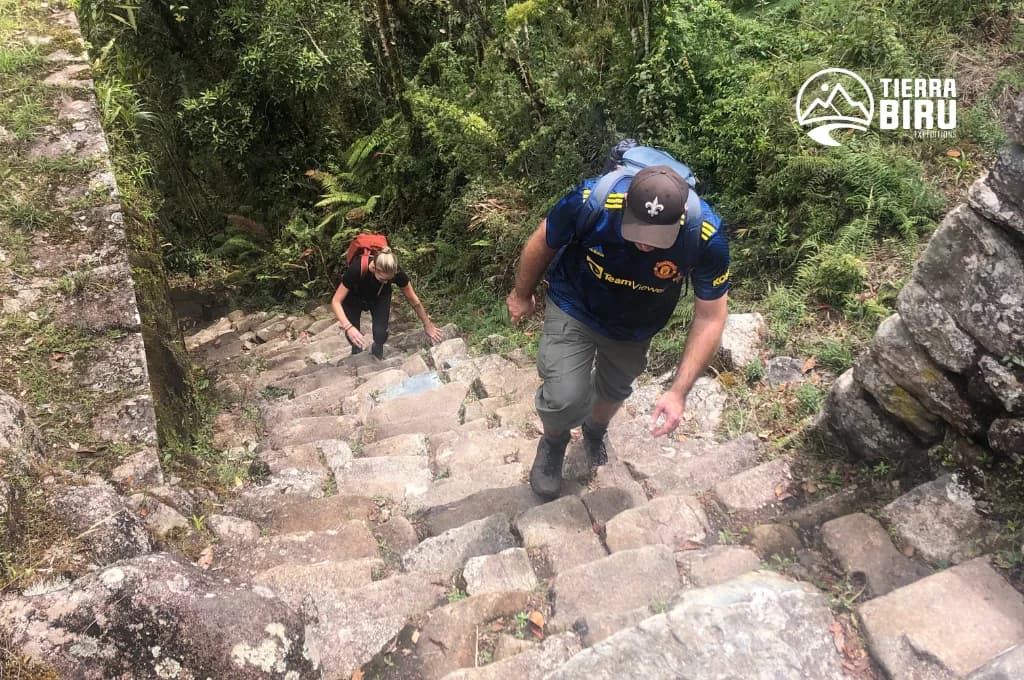
The Inca Trail to Machu Picchu: A Cultural and Natural Heritage Site
The Inca road to Machu Picchu is an emblematic route that combines physical challenge with a unique immersion in the history and culture of the ancient Inca Empire, offering natural landscapes and unforgettable archaeological sites.
MIN
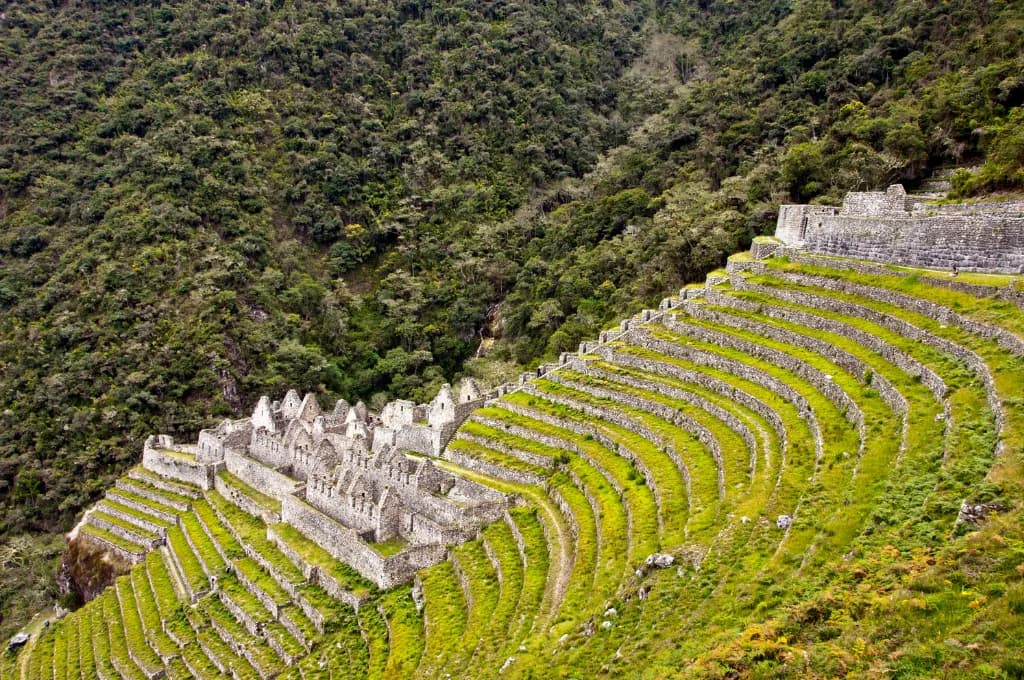
Winaywayna: An Archaeological Treasure on the Inca Trail
Winay Wayna is one of the most fascinating and emblematic destinations on the Inca Trail, a historic route leading to Machu Picchu in Peru.
MIN
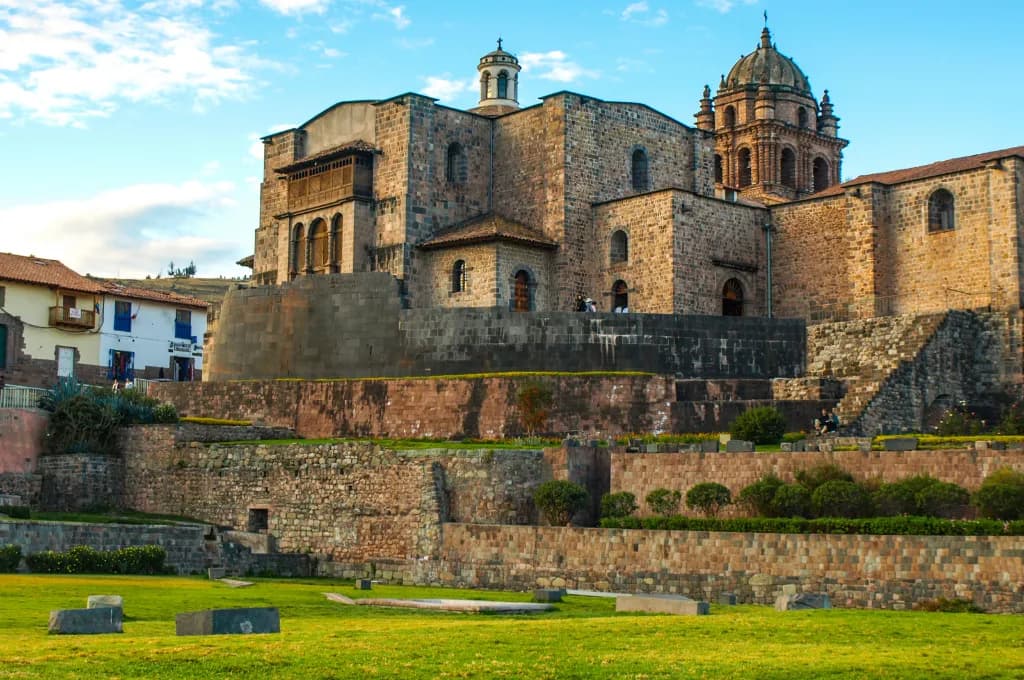
Coricancha The Golden Temple of the Inca Empire
Coricancha: The Golden Temple of the Inca Empire Cusco, the navel of the world for the Incas, is a place where history intertwined with the present in a unique way.