Published on : 2025-06-04
Chinchero
Chinchero, known as the 'rainbow village,' stands as one of the most fascinating destinations in the Sacred Valley of the Incas.
Location and Climate
Chinchero's geography is exceptional, with a climate influenced by the surrounding snow-capped mountains, such as Zawahiri and Tuturuy, as well as by the lakes Waipa and Piura.
This climatic context offers Chinchero an average temperature of 10°C and two well-defined seasons: the dry season and the rainy season.
During the rainy season, the town is known for the frequent occurrence of the rainbow phenomenon, which gives it its distinctive nickname.
This natural and climatic beauty has been fundamental to the lives of its inhabitants and to the development of their agricultural practices throughout history.
Ancestral History and Culture
Chinchero is not only known for its natural beauty but also for its rich history. Before the arrival of the Incas, the region was inhabited by groups such as the Skills and the Yanaconas.
With the expansion of the Inca Empire, Chinchero became an important administrative and agricultural center. Under the leadership of Pachacútec, extensive terraces were developed that allowed for the cultivation of various crops—especially tubers like potatoes—ensuring the subsistence of the population.
The history of Chinchero is also marked by resistance during the Spanish conquest. Inca Manco Inca set fire to the town to prevent the conquistadors from turning it into a military base. This act of resistance lives on in the collective memory of the people of Chinchero, who continue to celebrate and preserve their ancestral traditions.
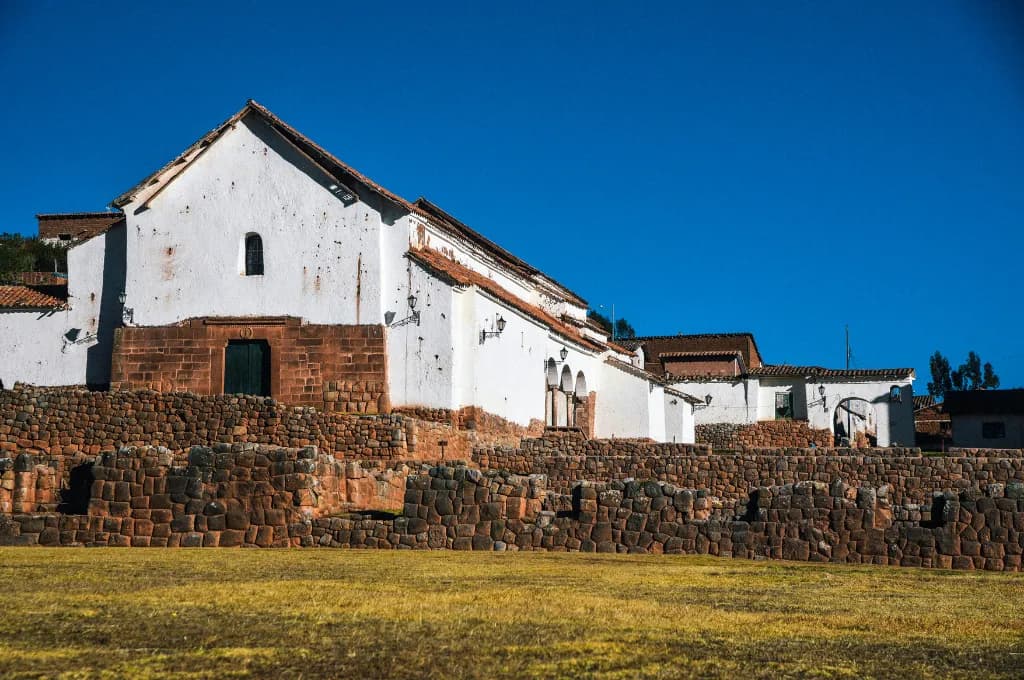
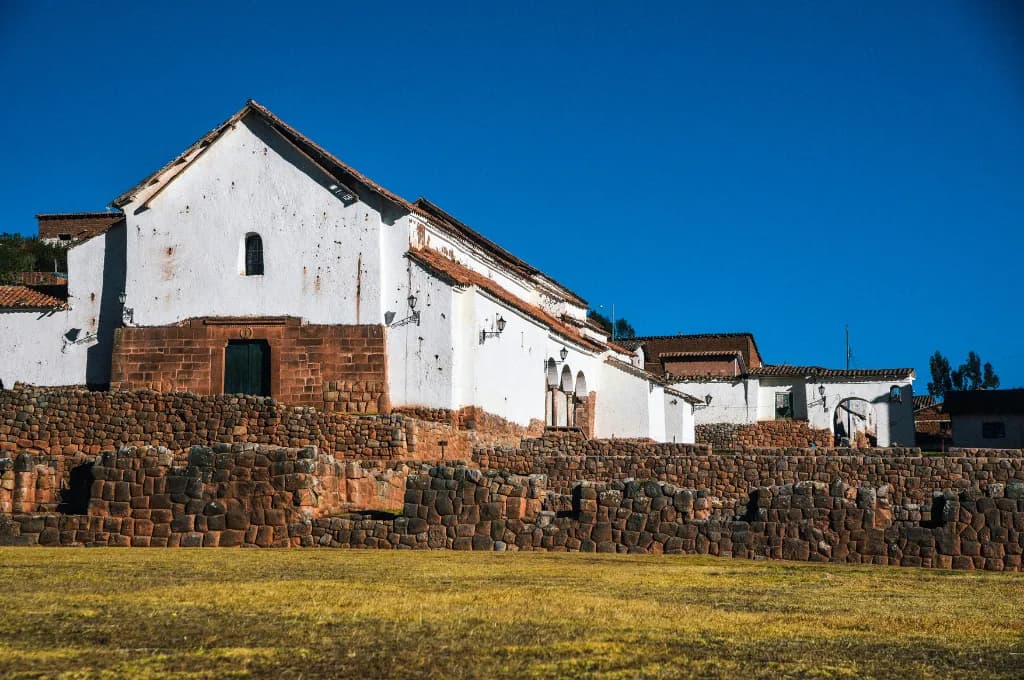
The influence of Spanish colonization is evident in local architecture, where the overlap of Inca and colonial constructions can be observed. The Church of Our Lady of Chinchero, built in 1607, is an emblematic example of this cultural fusion. Erected on the remains of Inca palaces, the church stands out for its Baroque style and its impressive altar decorated with gold leaf.
This blend of cultural influences reflects the complex history of the region and its capacity for adaptation.
.webp&w=3840&q=75)
Tourist attractions
Main square and architecture
One of Chinchero’s main attractions is its central plaza, which serves as a cultural and social meeting point.
The square shows a mixture of Inca and colonial architecture, with a beautiful Inca wall on its eastern side. The arches and colonial buildings that surround it bear witness to the history of resistance and cultural fusion that characterizes Chinchero.
This area is not only a meeting place, but also a space where fairs and community events are held, making it the heart of the town.
Terraces and agriculture
The terraces of Chinchero are another highlight of the archaeological site. These agricultural terraces, built by the Incas, are a testament to the ingenious adaptation of the ancient inhabitants to their environment.
The terraces not only provide space for cultivation, but also contribute to water conservation and the prevention of soil erosion.
Agriculture in Chinchero has remained primarily focused on tuber production, reflecting practices that have been passed down through generations.
.webp&w=3840&q=75)
Waipa and Piura Lagoons
Chinchero’s natural environment is complemented by the Waipa and Piura lagoons, which not only beautify the landscape, but are also vital for the region’s water supply.
The Waipa lagoon, with its crystal-clear waters, is home to a variety of fish and birds, making it an ideal place for wildlife observation.
The historical connection of these lagoons with the Tahuantinsuyo adds cultural and ecological value to a visit to Chinchero.
Daily life and traditions
Life in Chinchero is deeply rooted in Andean traditions. The villagers, known as chincheros, wear traditional clothing that has been passed down over the years, especially during the Sunday fair.
These garments are not only a symbol of cultural identity, but also reflect the rich textile heritage of the region.
Textile production is a fundamental activity in Chinchero, with numerous workshops that preserve weaving techniques that have remained practically unchanged since Inca times.
The use of alpaca wool and ancestral techniques allows master weavers to create unique pieces that tell stories of Andean culture.
Textile handicrafts are not only a source of income for the inhabitants, but also a way of keeping ancestral traditions alive.
.webp&w=3840&q=75)
Chinchero in the current context
Today, Chinchero faces challenges related to modernization and tourism. As more visitors come to the town, there is an opportunity to promote Andean culture and history, but also a risk that these traditions will be threatened.
The Chinchero community has become aware of the importance of preserving its cultural identity and has implemented strategies to integrate tourism in a sustainable manner.
Ecotourism and community-based tourism initiatives have begun to flourish, allowing visitors to interact with the local culture respectfully.
Chincheros offer authentic experiences, such as weaving workshops and guided explanations about local history—promoting the conservation of traditions and heritage.
.webp&w=3840&q=75)
Conclusions
Chinchero is much more than a tourist destination; it is a symbol of cultural resistance and Andean identity.
Its rich history, combined with the beauty of its natural surroundings and the depth of its traditions, makes it a unique place in the world.
As it moves into the future, Chinchero faces the challenge of balancing modernization and the preservation of its cultural heritage. However, the community has demonstrated a great capacity for adaptation and resilience, keeping its traditions alive and sharing them with the world.
A visit to Chinchero not only offers the opportunity to explore a town steeped in history, but also to connect with a culture that remains vibrant and relevant today.